University of Problems
Play University of Problems
University of Problems Screenshots






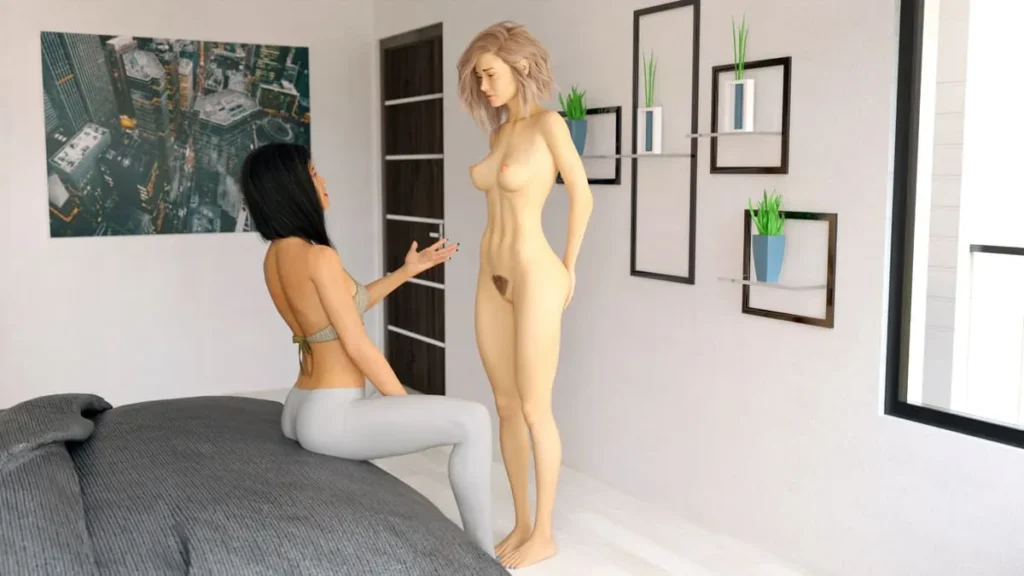
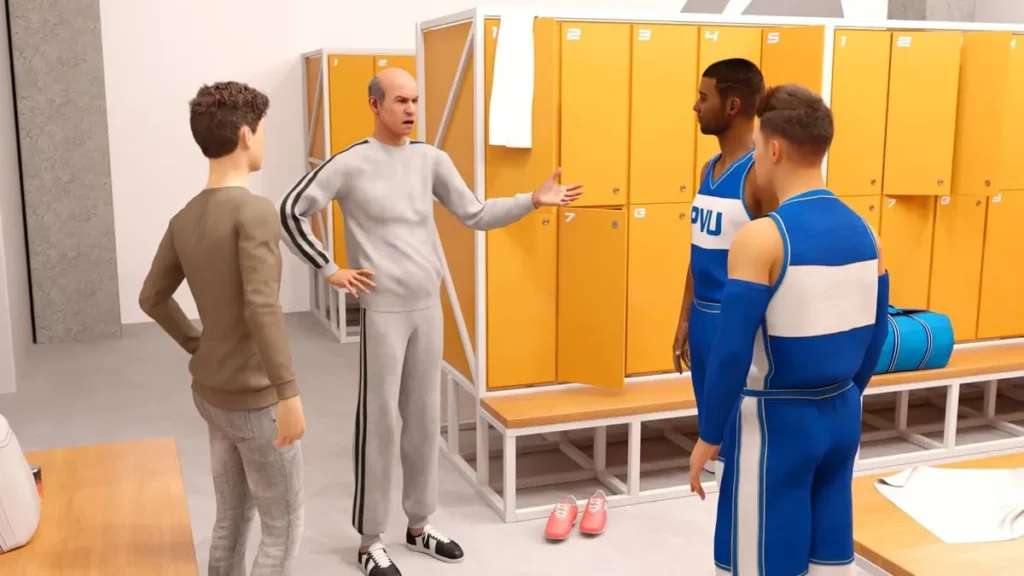



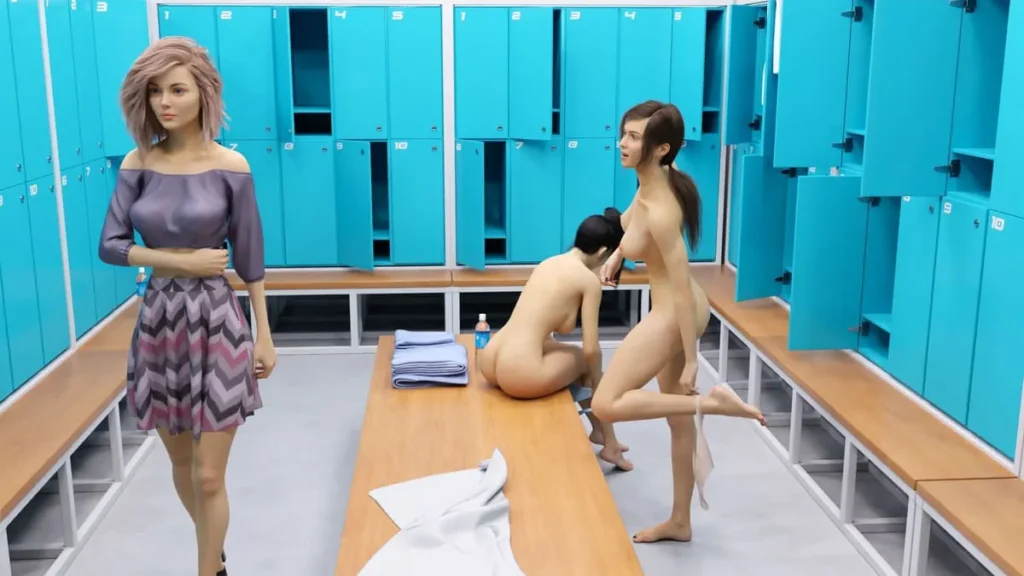
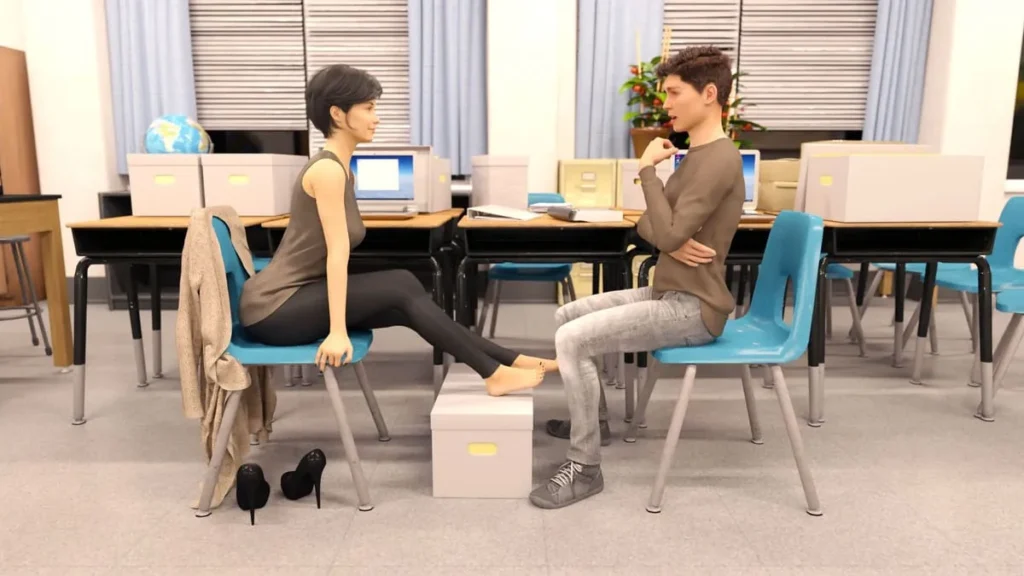


University of Problems review
Dive into the captivating story and choices of this interactive adventure
Ever stumbled upon a game that pulls you into a web of tough choices, family drama, and steamy encounters? That’s University of Problems for you—a visual novel where you play as a young guy navigating college life, relationships, and moral dilemmas. From tense arguments with your sister Eve to intriguing tasks involving Mary, this game keeps you hooked with its branching storylines and vivid scenes. I’ve spent countless hours exploring its paths, and let me tell you, the ‘urgently need to watch content’ quest for Mary had me grinding game days just like you might. Ready to uncover what makes University of Problems a standout in interactive storytelling? Let’s break it down step by step.
What Makes University of Problems a Must-Play?
I still remember the night I downloaded University of Problems on a whim. I was just looking for something to pass the time, but two hours later, I was completely lost in its world, my heart racing after a particularly tense argument between characters. I had to know what happened next. That’s the magic of this interactive adventure—it doesn’t just tell a story; it makes you live it, flaws, mistakes, and all. If you’re wondering what is University of Problems at its core, it’s a raw, gripping visual novel that throws you into the turbulent life of a university student, where every decision ripples through your academic and personal life. It’s a must-play for anyone who loves narratives with real weight.
Who Are the Key Characters Driving the Story? 👥
The heart and soul of the University of Problems game is its cast. These aren’t just pretty faces; they’re complex, flawed, and incredibly human personalities that you’ll grow to love, hate, or desperately try to fix. Your journey is defined by your relationships with them.
- The Protagonist (You): A new student navigating the pressures of studies, a strained family, and newfound independence. Your personality is a blank slate shaped entirely by your University of Problems story choices.
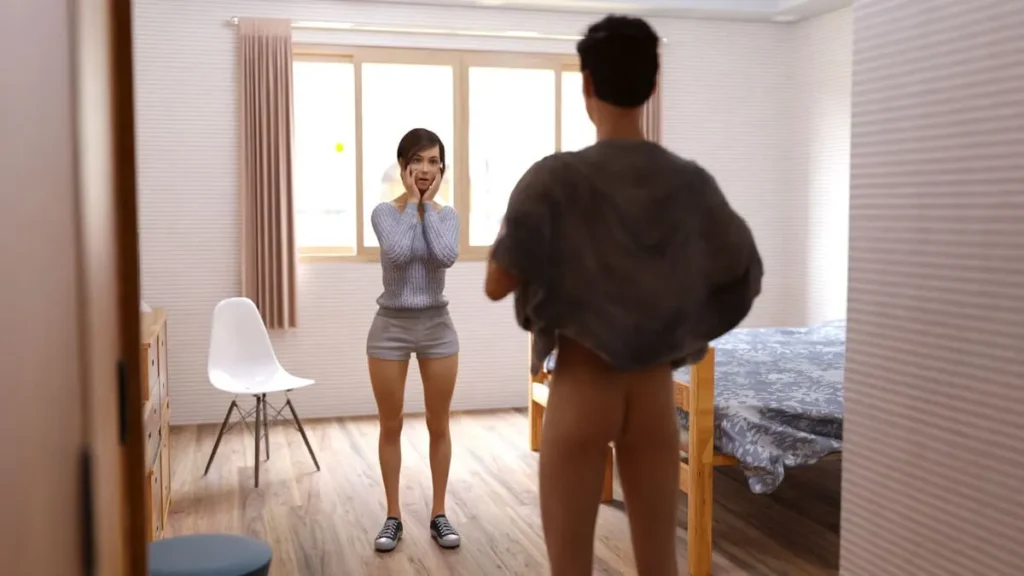
- Eve: Your stepsister, and one of the most pivotal University of Problems characters. Living under the same roof with a history of tension, your relationship with her is a volatile mix of family obligation, unresolved past conflicts, and intense emotional moments.
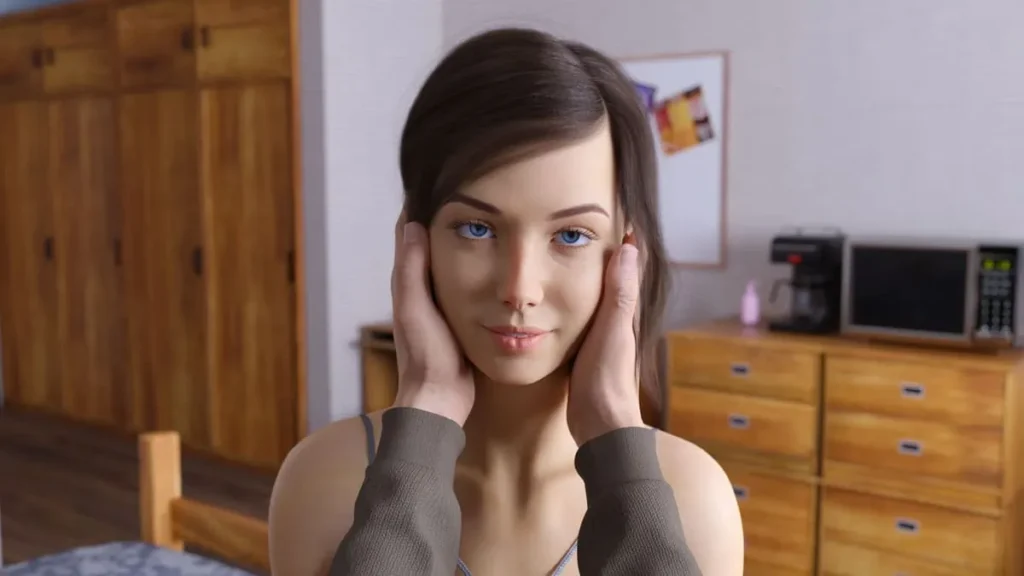
- Mary: A fellow student who becomes a central figure in your social circle. Her questline, especially the infamous ‘Mary task University of Problems’ where she urgently needs to watch specific content, is a classic example of the game’s patient, realistic pacing.
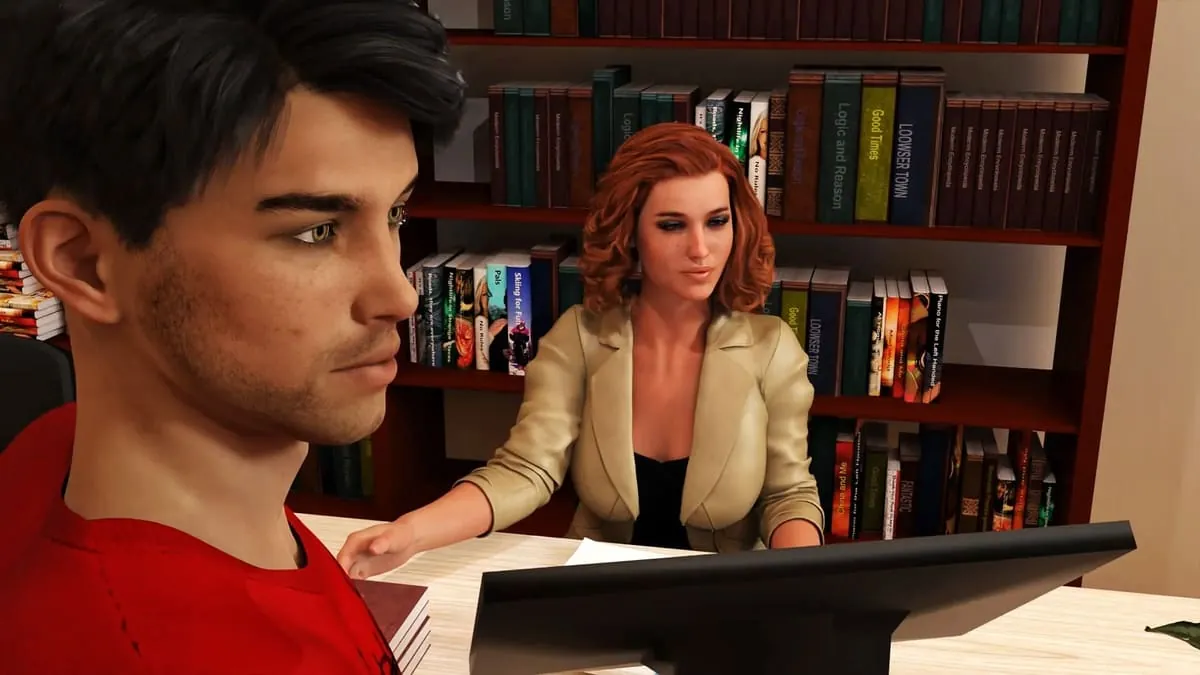
- Professor Angela Reed: A strict but dedicated lecturer who represents the academic challenges and authority figures you must learn to navigate.
- Rachel: A confident and often provocative student who introduces a different kind of social dynamic and personal challenge.
Getting to know these University of Problems characters is more than just clicking through dialogue. It’s about remembering their histories, sensing their moods, and choosing your words carefully. My first major mistake was treating Eve like just another roommate, not the deeply complicated family member she is. It did not go well.
How Do Choices Shape Your University Journey? 🧭
This is where the University of Problems game truly shines. There is no single “correct” path. Every conversation, every silent glance you choose to acknowledge or ignore, and every moral compromise builds your unique story. The game masterfully weaves small, seemingly inconsequential decisions with major, heart-stopping dilemmas.
Pro Tip: Don’t be afraid to save often and explore. The best University of Problems paths often come from seeing how a different tone or decision changes a character’s reaction hours later.
Let’s talk about two iconic examples that define the choice system.
First, the University of Problems Eve scene. Early on, a heated argument erupts. The dialogue options escalate, and you’re presented with a shocking, visceral choice that I won’t spoil here. It’s a moment that tests your impulse control and fundamentally defines your relationship with her for countless future interactions. Choosing the aggressive route isn’t just a “bad” choice; it locks away entire branches of storyline, making your home life a cold war. This is the game telling you that actions have lasting, emotional consequences.
Second, the Mary task University of Problems. This is the antithesis of a quick fetch quest. Mary asks for your help with some media, but the game doesn’t hand you the solution. You might have to progress through multiple in-game days, bump into her in different locations, and have the right prior conversations unlocked before you can move it forward. It teaches you that this world operates on its own time, rewarding observation and persistence over brute force.
I learned this the hard way. In one playthrough, I was so focused on chasing a romantic path with one character that I consistently blew off another. By mid-term, that neglected character had not only moved on but had become a source of drama and obstacles. My singular focus had created a cascade of new problems I never saw coming. It was frustrating, brilliant, and utterly believable.
Why Do Players Get Hooked on Its Intense Moments? 🔥
The University of Problems game expertly balances everyday university grind with scenes of incredibly high drama. It’s this contrast that makes the intense moments land with such force. You’re not just watching a dramatic scene; you’re often the one who nervously chose the dialogue that led to it.
The realism in family dynamics, like the ever-present tension with Eve, or the awkwardness of managing your academic reputation with Professor Reed, grounds the story. When a major conflict or passionate scene occurs, it feels earned. You’re invested because you’ve done the homework, failed the quizzes, and had the boring cafeteria chats that make the world feel alive.
These intense moments—whether they’re emotional confrontations, personal victories, or romantic breakthroughs—are the payoff for your careful (or careless) University of Problems story choices. They’re the memories you’ll carry from the game and the stories you’ll want to share with other players to compare your University of Problems paths.
Actionable Advice for Your Playthrough:
- Start a Dedicated “Exploration” Save: Once you grasp the basics, begin a new game where you consciously make choices you normally wouldn’t. Be a people-pleaser in one, a lone wolf in another. It’s the best way to uncover the depth of the best University of Problems paths.
- Talk to Everyone, Every Day: Characters drop hints about their schedules, moods, and needs. The solution to the Mary task University of Problems or the key to defusing a tense University of Problems Eve scene often lies in a forgotten chat from three days prior.
- Embrace the Flaws: Your character will mess up. Let it happen. Some of the most interesting narrative threads come from repairing a burned bridge or dealing with the fallout of a bad decision.
The University of Problems is more than a game; it’s a narrative playground where your personality is the controller. Ready to see where your choices lead?
FAQ: Your First Steps Answered
Q: I made a terrible choice during the big argument with Eve early on. Have I ruined my game?
A: Not at all! While that specific moment drastically alters your relationship path with her, it opens up different story branches. The University of Problems game is designed to be replayed. See where this more contentious path leads—it might be more dramatically interesting than you think.
Q: I’m stuck on Mary’s task! She says she needs to watch something, but nothing happens when I talk to her.
A: This is a common pacing hurdle, not a glitch. The Mary task University of Problems requires you to simply let time pass. Focus on other goals, attend classes, and interact with other characters for several in-game days. The opportunity to progress her request will naturally appear as your overall story progression advances.
Q: How do I find the “best” ending?
A: There isn’t one universal “best” ending. The best University of Problems paths are the ones most true to the character you want to role-play. Do you want to mend family ties, ace your exams, or pursue a particular relationship? Focus your choices on that vision, and the ending you get will be the right one for that story. Then, try a different focus next time!
University of Problems isn’t just another visual novel—it’s a rollercoaster of choices, drama, and discovery that lingers long after you hit save. From navigating Eve’s explosive moments to cracking Mary’s tricky tasks, every path offers fresh thrills and tough lessons. My own dives into its world taught me the power of replaying with new perspectives, uncovering layers I missed first time around. If you’re craving an interactive tale blending college chaos with deep personal stakes, grab it now and start shaping your story. What’s your first big choice going to be? Dive in and find out—your next adventure awaits.