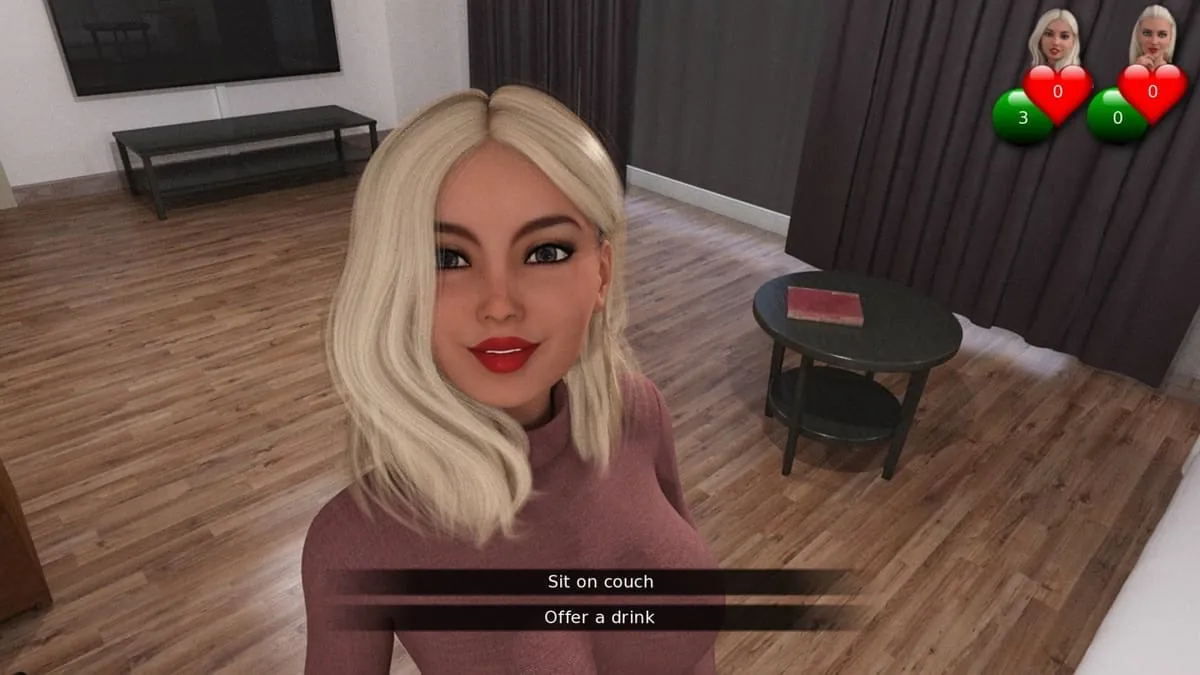
Single Again
Play Single Again
Single Again Screenshots


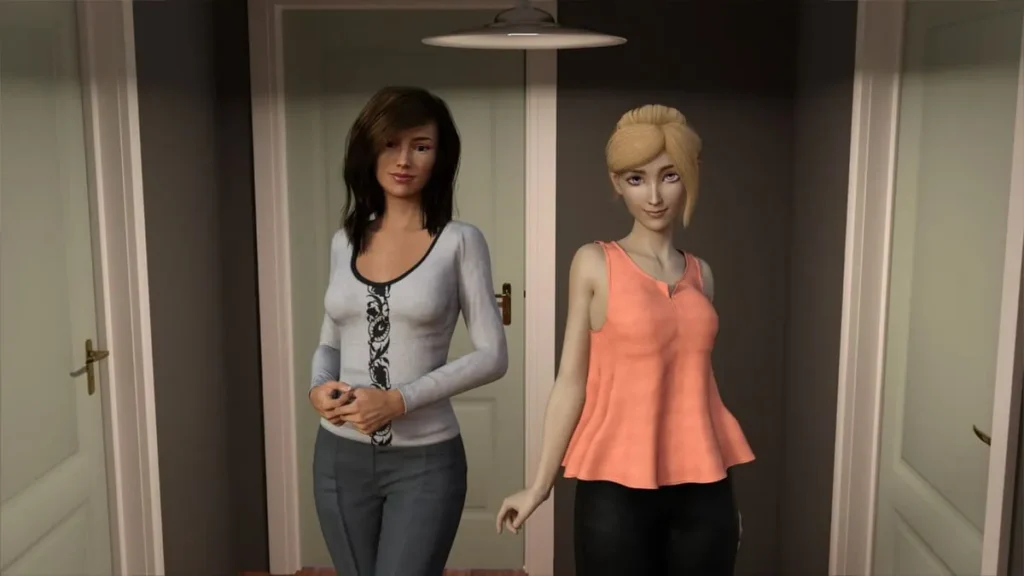
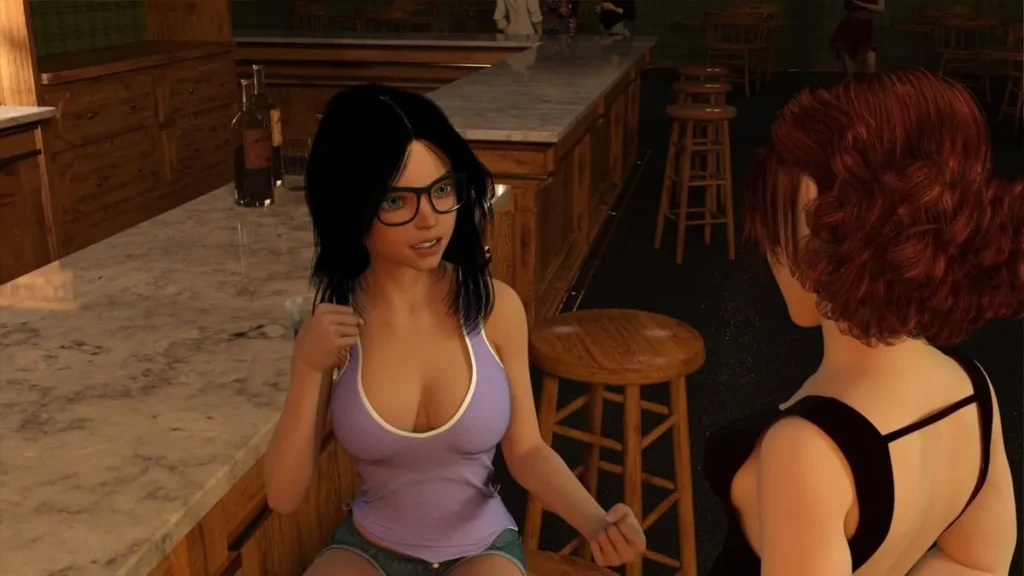



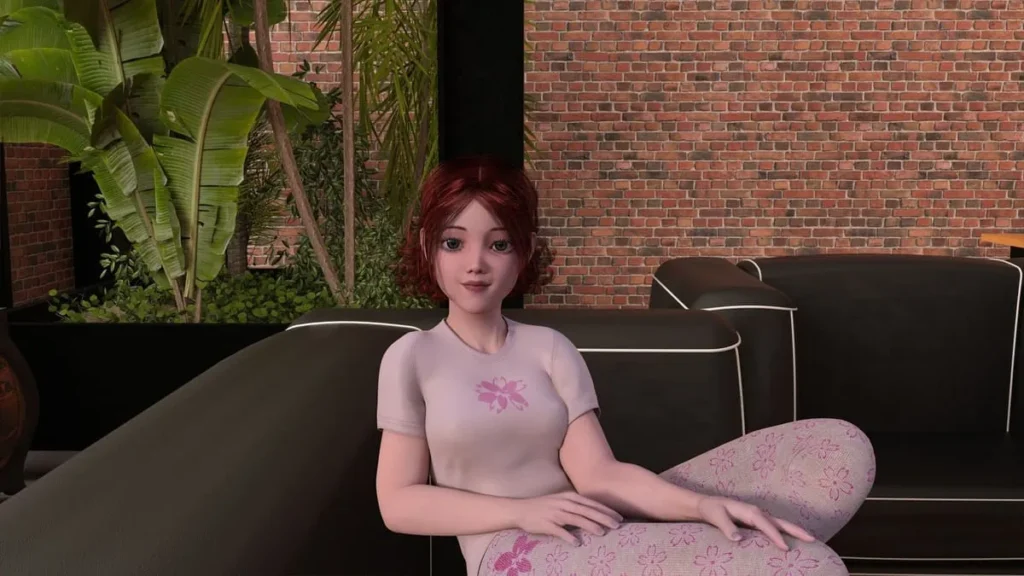
Single Again review
Master every choice, unlock all scenes, and navigate the branching storyline
Single Again is a choice-driven interactive narrative game developed by Clever Name Games that puts you in control of Frank’s story following a major life change. With multiple branching paths, character relationships, and scene variations, understanding the game’s mechanics and choices is essential for unlocking all content and experiencing every storyline. This comprehensive guide breaks down the game’s structure, explains how your decisions impact the narrative, and provides strategies for discovering hidden scenes and character interactions. Whether you’re a first-time player or looking to unlock everything the game has to offer, this walkthrough covers all the essential information you need to navigate Frank’s journey successfully.
Understanding Single Again’s Choice System and Narrative Structure
Ever found yourself staring at the screen, heart pounding, as you weigh whether to offer Beth a comforting hug or give her some space? 😅 Welcome to the core experience of Single Again, a game where every click feels like a real, weighty decision. If you’ve ever wondered just how deep the rabbit hole goes, you’re in the right place. This isn’t just a visual novel; it’s a intricate web of possibilities where your interactive story choices genuinely craft a world that’s uniquely yours.
The magic—and sometimes the frustration—of this branching narrative game is that nothing is filler. That casual question you ask Rebecca about her work, or whether you decide to explore the town square alone, aren’t just fleeting moments. They are seeds planted in a vast decision tree gameplay system that will sprout into major story branches hours later. This Single Again game guide is your map through that labyrinth. We’re going to break down exactly how your choices ripple outwards, how to nurture the relationships you want, and how to uncover the secret content you might otherwise miss. Let’s dive in.
How Branching Choices Shape Your Story
At its heart, the Single Again choice system is beautifully simple on the surface: you read, you click, the story continues. But beneath that lies an incredibly complex narrative machine. Think of it not as a straight path with occasional forks, but as a living, breathing tree 🎋. The trunk is your core story, but every dialogue option and action is a branch. And each of those branches can split again and again, leading you to a unique canopy of endings and experiences.
I learned this the hard way on my first playthrough. Early on, you get a scene where Frank, your ex-wife’s new partner, is being… well, Frank. My instinct was to be confrontational, to stand my ground. It felt right in the moment! But what I didn’t realize was that this single interactive story choice locked me out of an entire subplot involving mutual friends later in the game. The game doesn’t shout “PATH BLOCKED!”; it just subtly closes doors and opens others based on your established personality. This is the essence of a true branching narrative game.
The game excels at making seemingly small moments pivotal. Deciding how to spend your “downtime”—like choosing to visit the local bar instead of going straight home—might lead to a chance encounter with Lilith that wouldn’t happen otherwise. These moments aren’t just fluff; they’re often the only way to trigger specific character arcs or unlock special backstory details. Your playthrough becomes a fingerprint: utterly unique.
Pro Tip: Don’t save-scum every choice! Part of the joy is living with your decisions and seeing where they lead, even to unexpected or awkward outcomes. It makes your story feel authentic.
This structure is what gives Single Again incredible replay value. My “confident, moving-on” playthrough was wildly different from my “vulnerable, seeking connection” run. Entire scenes, character motivations, and even the tone of the story shifted. It’s less about playing a game multiple times and more about exploring parallel universes you created. Understanding this decision tree gameplay is the first step to mastering your experience.
Character Relationships and Decision Impact
If the branching story is the skeleton of Single Again, then the character relationship mechanics are its beating heart ❤️. Your connections with Rebecca, Beth, Lilith, and Abigail aren’t managed by a simple “like/dislike” meter you can max out. Instead, they are dynamic, organic bonds built through consistency, empathy, and sometimes, strategically chosen silence.
Each character has a core personality and values. Rebecca might appreciate honesty and direct support, while Beth responds better to patience and gentle encouragement. Picking the “right” choice isn’t about a universal good option; it’s about what’s right for that person at that moment. This is where the Single Again choice system truly shines. A flirty joke might score points with Lilith but make Abigail shut down completely. You’re not just choosing words; you’re defining who your character is in relation to others.
The impact is rarely instantaneous. The game uses a hidden affinity system where your choices build a profile. For example, consistently choosing ambitious or career-focused dialogue options will make your character more aligned with characters who value those traits, opening up new, more intimate conversation paths with them later. It’s a slow burn, and that’s what makes the relationships feel earned.
To help visualize how your actions resonate, here’s a breakdown of how key decision types typically affect your main connections:
| Your Choice / Action | Rebecca’s Likely Reaction | Beth’s Likely Reaction | Lilith’s Likely Reaction | Abigail’s Likely Reaction |
|---|---|---|---|---|
| Offering practical, direct help | Strong Positive. She values reliability. | Neutral/Positive. Appreciates the intent. | Neutral. May see it as impersonal. | Cautiously Positive. Builds trust slowly. |
| Using humor or flirtatious banter | Mildly Positive if witty. Can backfire if insensitive. | Often Negative. Can feel inappropriate during her vulnerable moments. | Strong Positive. Her primary love language. | Usually Negative. Creates distance and discomfort. |
| Choosing to listen quietly instead of giving advice | Neutral. She often seeks solutions. | Strong Positive. Feels heard and safe. | Negative. Might find it boring or passive. | Strong Positive. Essential for building her trust. |
| Prioritizing personal ambition in stories | Positive. Respects drive and independence. | Neutral. Less relevant to her arc. | Very Positive. Attracted to confidence. | Negative. Can seem self-centered to her. |
| Being openly vulnerable about your past | Positive, but measured. Deepens mutual respect. | Strong Positive. Creates a deep emotional bond. | Unpredictable. Could be intriguing or a turn-off. | Extremely Positive. The key to unlocking her guarded side. |
Remember, this table is a guide, not a cheat sheet! Part of the fun is discovering the nuances. Sometimes, breaking the “pattern” at a critical moment leads to the most memorable scenes. The character relationship mechanics are designed to surprise you, rewarding genuine engagement over robotic box-ticking.
Unlocking Hidden Scenes and Special Content
This is where dedicated players separate themselves from the casual ones. Single Again is packed with rich, hidden content—special scenes, intimate moments, and crucial backstory that you will never see on a single, linear playthrough. The goal to unlock hidden scenes isn’t just about completionism; it’s about piecing together the full, beautiful tapestry of the story the developers wove 🧩.
So, how do you find this secret stuff? It’s all about combination locks made from your previous choices. Often, unlocking a special scene with a character requires you to have made a specific sequence of earlier choices that align with their values. For instance, to get a serene, late-night heart-to-heart with Abigail, you might need to have previously chosen peaceful activities, avoided aggressive dialogue, and shown interest in her hobbies in at least three prior encounters. The game remembers everything.
These gates aren’t always obvious. I once stumbled upon a hilarious and touching scene with Beth and Rebecca bonding over a shared memory, but only because I had, completely by accident, prompted two very specific conversations with each of them earlier about their childhoods. It felt like a reward for being attentive. This design encourages you to be present in the story, not just clicking through.
However, the path isn’t always forward. Some choices lead to abrupt endings. Here are common pitfalls that can cut your story short and how to steer clear:
- Pushing Too Hard, Too Fast: With characters like Beth or Abigail, choosing aggressively romantic or physically forward options before establishing a deep emotional connection will often cause them to withdraw permanently, ending your route with them. Patience is key.
- Dishonesty That’s Discovered: The game has a memory. If you tell Rebecca one thing about your past and then contradict it in a story to Lilith later, it can come back to haunt you, destroying trust and leading to a game-over in certain relationship paths.
- Ignoring Key Characters Completely: The story is interconnected. Consistently blowing off Frank or other secondary characters can sometimes close off primary paths, as you miss vital information or create irreparable social friction.
- Failing a “Critical Moment”: Some scenes act as make-or-break tests. For example, during a potential conflict, choosing a dismissive or cowardly option can cause a character to lose all faith in you, ending their arc.
The developers have also been fantastic about expanding this hidden world. With various version updates, new scenes and alternative branches have been added for characters like Lilith and Abigail, giving even veteran players new reasons to revisit old saves and explore different interactive story choices. The Single Again game guide community is always buzzing after an update, collectively working to map the new decision tree gameplay additions.
Ultimately, mastering Single Again is about embracing its philosophy. It’s not a puzzle to be solved, but a story to be lived—multiple times, in multiple ways. Your power in this branching narrative game is immense. Every choice, from the monumental to the mundane, is a brushstroke on a canvas that only you get to see completed. So take a deep breath, trust your instincts (or follow your heart for a specific someone), and start building your one-of-a-kind story. The perfect path isn’t the one we give you in a guide; it’s the one that feels most true to you. Happy exploring! 🚀
Single Again delivers a rich, choice-driven experience where every decision matters and shapes your unique story. By understanding how the game’s branching system works, recognizing the impact of your choices on character relationships, and knowing which decisions unlock special content, you can fully appreciate the depth of Frank’s journey. The game rewards exploration and experimentation, encouraging multiple playthroughs to discover all possible paths and scenes. Whether you’re focused on building specific relationships, unlocking every scene, or simply enjoying the narrative experience, mastering the choice system is key to getting the most from this interactive adventure. Take your time with each decision, pay attention to how characters respond to your choices, and don’t hesitate to replay sections to explore alternative paths and discover content you might have missed.