Play Returning to Mia
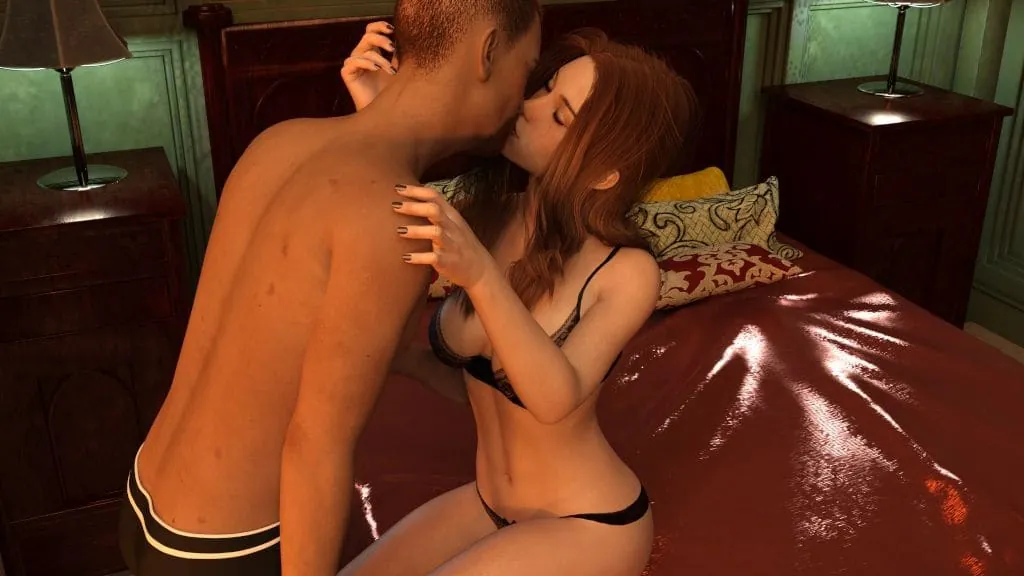
Returning to Mia Screenshots

















Returning to Mia review
Everything you need to know about the Returning to Mia game, its story, features, and tips
Returning to Mia is a narrative-driven adult-oriented game that continues the story from the earlier entry in its series, offering expanded scenes, new characters, and choices that alter the storyline. In this guide I cover the game’s background, episode structure, gameplay mechanics, character arcs, installation and compatibility notes, practical tips for progressing, and content considerations readers should know before playing. I’ll also share personal impressions from playing the episodes and actionable advice to get the most from the experience.
Story and Series Context: What is Returning to Mia?
If you’re diving into Returning to Mia, you might be wondering: where does this story even begin? 🤔 Let’s clear that up right away. This title isn’t a standalone tale; it’s a direct and heartfelt continuation of a journey that started in Summer with Mia. Think of it as the next chapter in a beloved book, picking up the narrative after a significant passage of time. The game brilliantly uses a time jump to re-introduce us to a world and characters who have grown and changed, making the experience feel both familiar and thrillingly new. Understanding this series context is key to fully appreciating the emotional weight of every decision you’ll make.
This guide will walk you through everything about the Returning to Mia story, from its place in the franchise to the deep themes it explores. We’ll break down the Returning to Mia plot summary, meet the key Returning to Mia characters, and understand the Returning to Mia timeline. We’ll also discuss the Returning to Mia themes that give the story its soul, and crucially, outline important Returning to Mia content warning information. So, get comfortable! Whether you’re a series veteran or a curious newcomer, here’s everything you need to know.
Where Returning to Mia fits in the series
📍 Let’s set the stage. Returning to Mia is the narrative successor to Summer with Mia. It doesn’t reboot or re-tell that story; it builds directly upon it, assuming your history with these characters. The game cleverly uses that established history as its foundation. The core Returning to Mia story begins after a gap of several years. You re-enter the life of the protagonist after they’ve had time away from the events of the previous summer—time for college, for other relationships, for life to happen.
This Returning to Mia timeline choice is a masterstroke. It allows the game to explore questions of maturity, nostalgia, and the consequences of past actions. You’re not just picking up where you left off; you’re reconciling the person you were with the person you’ve become. The relationships you nurtured (or neglected) in the past have evolved in your absence, creating a rich layer of potential drama and reunion. This sequel structure means your save data or implied past choices deeply matter, making the Returning to Mia plot summary different for every player based on their prior history. It’s a story about coming back, and seeing what—and who—has been waiting for you.
Main plot arcs and characters
At its heart, the Returning to Mia plot summary revolves around a return to a pivotal place and person from the protagonist’s past. The story kicks off as you, the main character, come back to the setting of the original summer, perhaps for a vacation, a family obligation, or simply because you feel a pull you can’t ignore. The central thread is, of course, reconnecting with Mia. The dynamic here is complex: is there unfinished business? Has time healed old wounds or created new distances? This core relationship arc is driven by choice, conversation, and the delicate process of rebuilding trust.
But the Returning to Mia story is much more than a single relationship. The narrative branches out to involve a compelling cast of Returning to Mia characters. You’ll encounter familiar faces from your past, each with their own developments and surprises, as well as intriguing new characters who represent the life you’ve built or the new paths available to you. These interactions create multiple parallel plot arcs:
- The Reconciliation Arc: Navigating your history with Mia and other old friends. Every conversation can unearth old memories or spark new conflicts.
- The New Path Arc: Exploring connections with new characters, which can lead to completely different story directions and endings.
- The Personal Growth Arc: The protagonist’s own journey of deciding what they truly want from life, love, and the future.
The brilliance of the Returning to Mia characters design is that no one feels like just a plot device. From Mia’s nuanced personality—which can range from warmly receptive to cautiously guarded based on your past—to the vibrant new additions, each character brings their own history, desires, and role in the narrative web. Your choices directly influence your relationships with all of them, shaping a unique Returning to Mia plot summary for your playthrough.
To help keep everyone straight, here’s a quick guide to the central cast:
| Character | Role & Relation | Arc Significance |
|---|---|---|
| Mia | The central figure from the protagonist’s past. Your previous summer together defines your starting point. | The heart of the story. Rebuilding (or redefining) this connection is the primary emotional driver. |
| The Protagonist (You) | The returning visitor, older and hopefully wiser since the last summer. | Your choices define the narrative’s morality, romance, and ultimate conclusion. It’s your journey of reflection. |
| Returning Friends | Old buddies or acquaintances from the previous game. Their lives have moved on, too. | Provide context, nostalgia, and sometimes conflict or support for your rekindled connection with Mia. |
| New Characters | People you meet upon your return—locals, other visitors, or old friends of friends. | Represent new possibilities and potential alternative paths, creating meaningful romantic or dramatic tension. |
Tone, themes, and content warnings
The Returning to Mia story is drenched in a very specific atmosphere. The tone is predominantly one of drama and romance, blended with a strong undercurrent of nostalgia and melancholy. There’s a bittersweet quality to exploring familiar places that feel different, and seeing familiar faces that have changed. The writing excels at creating moments of quiet tension and heartfelt dialogue, making the world feel lived-in and real. It’s not all heavy drama, though—there are genuine moments of warmth, humor, and reconnection that lighten the journey. 😊 → 😢 → ❤️
Digging deeper, the Returning to Mia themes are what make the story resonate. This isn’t just a simple love story; it’s a thoughtful exploration of:
- Choices and Consequences: The game is built on this. Past decisions cast long shadows, and present choices will ripple into your future. It’s a powerful reminder that what we say and do matters.
- Growth and Change: Can people truly change? Have you? Has Mia? The story constantly questions whether you can go back, or if you can only move forward with the baggage of who you’ve become.
- Nostalgia vs. Reality: That aching feeling for a “perfect” past is constantly tested against the more complicated, and often better, reality of the present.
- Second Chances: This is the big one. The entire narrative asks if some connections are worth revisiting and repairing, or if some doors, once closed, should remain shut.
Now, let’s talk about a crucial aspect: the Returning to Mia content warning. This game is intended for a mature audience due to its thematic elements and romantic content. It explores complex adult relationships and emotional situations. While much of the storytelling is focused on dialogue and narrative consequence, the game does include scenes of an intimate nature as part of some character relationships. These are not the focus of the Returning to Mia plot summary, but they are present within certain story paths. Therefore, the game carries a clear age restriction and is not suitable for younger players. It’s always good practice to check the official game description for the most accurate and updated rating information. 🔞
I remember one playthrough where, early on, I chose a seemingly casual dialogue option that came off as slightly dismissive of a past memory Mia held dear. I didn’t think much of it. Hours later, when trying to mend a crucial disagreement, she referenced that exact moment, saying it showed I hadn’t really listened. That single, off-hand choice from ages ago in game-time had quietly festered, changing the entire emotional tenor of our reconciliation. It was a brilliant—and slightly heartbreaking—reminder of how carefully this game tracks your journey.
So, what should you, as a player, expect and take away from this narrative?
First, expect your choices to carry real weight. This isn’t an illusion; dialogue checks, relationship points, and major decision flags are woven throughout the Returning to Mia story. A kind word to one character might close off a path with another. Honesty might lead to short-term pain but long-term trust. This makes replayability incredibly high, as you explore different versions of the Returning to Mia plot summary.
Second, embrace the drama. The most praised element by players is the emotional authenticity of the characters and their situations. Don’t rush through; soak in the conversations and the environment. The payoff in the later episodes is deeply tied to the foundation you build early on.
Finally, there’s no single “right” path. The game is celebrated for allowing multiple valid conclusions—some happy, some bittersweet, some focused on new beginnings. The best Returning to Mia story is the one that feels true to the choices you want to make.
In essence, Returning to Mia offers a sophisticated, choice-driven narrative about the ghosts of our pasts and the chances we get to face them. By understanding its place in the series, its complex characters and timeline, and its thoughtful themes, you’re ready to step back into this world and write your own unique chapter. Your history is waiting.
Returning to Mia expands on its predecessor with deeper narrative paths, multiple relationship outcomes, and an episodic structure that rewards exploration and repeat playthroughs. This guide covered the story context, development and release, gameplay mechanics, character paths, technical tips, and actionable walkthrough highlights to help you navigate the game confidently. If you found this guide useful, try a playthrough focused on a single relationship path, keep careful saves at key decisions, and join community discussions to share findings and discover alternate scenes.