Lost in Paradise
Play Lost in Paradise
Lost in Paradise Screenshots






Lost in Paradise review
Dive into Shipwrecked Romance, Choices, and Island Adventures
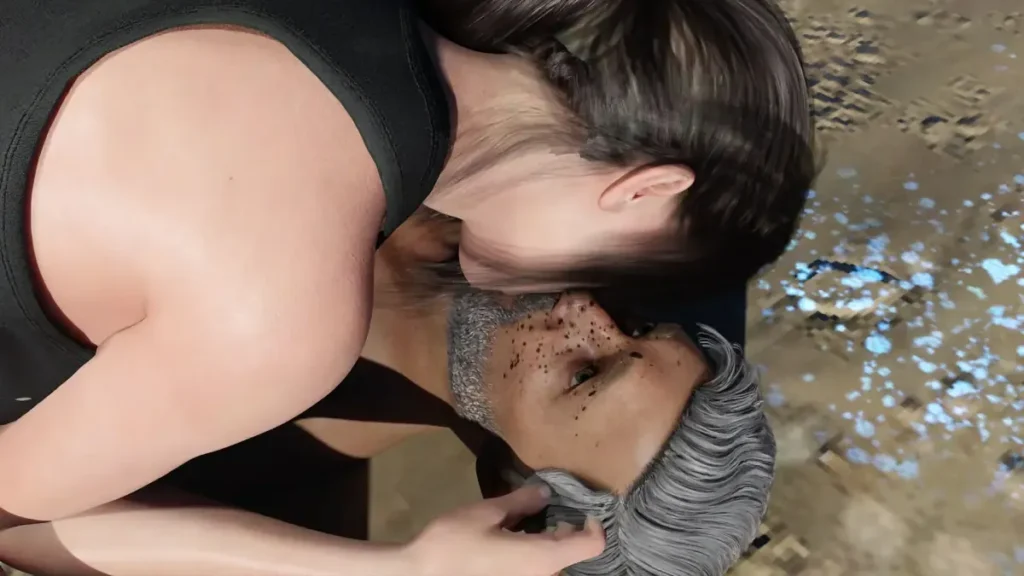
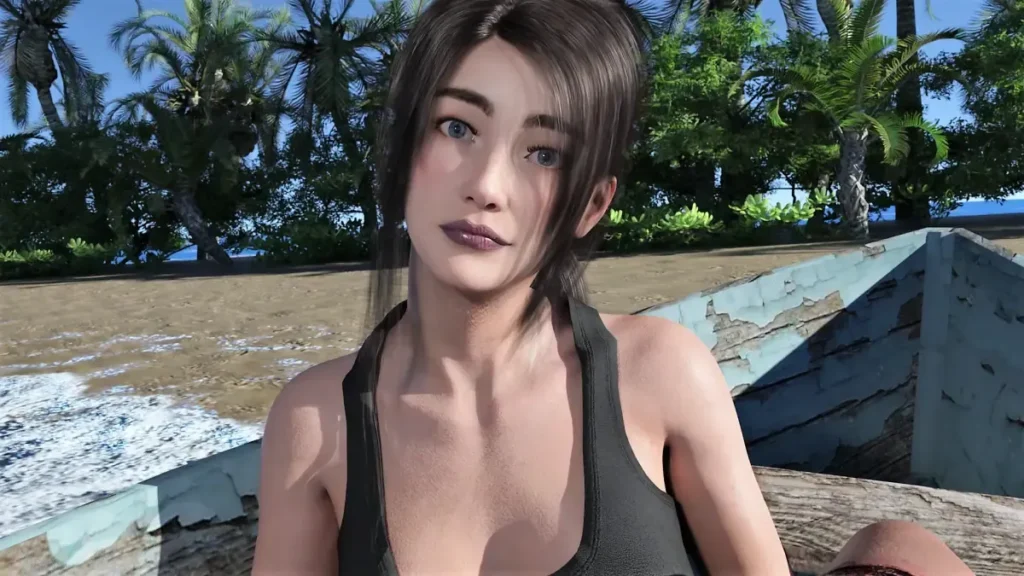
Imagine washing up on a deserted island with your spouse, where every decision sparks romance, mystery, and steamy discoveries—that’s Lost in Paradise. Developed by Dimajio333, this captivating adult visual novel strands a married couple after a shipwreck, blending choice-driven narratives with intimate encounters. I remember my first playthrough; one bold choice unlocked a hidden romance path that kept me hooked for hours. Whether you’re exploring branching storylines or uncovering character secrets, Lost in Paradise gameplay delivers replayability like no other. Ready to shape your own paradise?
What Makes Lost in Paradise Gameplay So Addictive?
I still remember the moment my virtual world turned upside down. There I was, washed ashore on this stunning, terrifying island in Lost in Paradise gameplay, thinking I just needed to find coconuts and a cave. Then, I met her—Aria, mysterious and wary, her eyes holding stories of the storm. She offered a hand, and I had seconds to decide: trust a stranger or rely on myself? I chose trust. That single, seemingly small decision didn’t just give me an ally; it unlocked an entire storyline of shared secrets and vulnerable moments that never would have existed otherwise. It was my first real taste of the choice-driven narrative Lost in Paradise is famous for, and I was instantly, completely hooked.
This isn’t a game you just watch. It’s a world you inhabit and shape with every thought and feeling. The magic of Lost in Paradise gameplay lies in its powerful fusion of heart-pounding narrative agency and serene, yet tense, discovery. You’re not following a story—you’re writing it with your choices, and the island itself is both your prison and your partner in the tale.
How Choice-Driven Narratives Shape Your Island Fate
At its core, Lost in Paradise is a masterclass in player agency. The choice-driven narrative Lost in Paradise crafts isn’t about picking “good” or “evil” endings from a menu. It’s about defining who you are in this crisis. Are you a pragmatic survivor, focused solely on rescue? A compassionate soul who heals the emotional wounds of your fellow castaways? Or a curious detective, piecing together the strange history of this seemingly deserted island?
Every interaction, from deciding how to ration supplies to choosing which character to comfort after a nightmare, sends ripples through the narrative pond. This focus on visual novel choices consequences is what sets it apart. Forgetting to check a specific part of the beach one day might mean missing a crucial piece of driftwood needed for a later tool, altering your options down the line. Choosing to share your personal fears with one character might build a deep bond of trust, while hiding your past might make them distant and suspicious, locking you out of their personal quests.
This system makes your playthrough uniquely yours. My “trusting” playthrough with Aria felt like a slow-burn romance built on mutual vulnerability. On my second run, where I played a more guarded survivor, our relationship became a tense alliance of convenience, leading to a completely different, more bittersweet resolution. That’s the power here: your personality directly dictates your paradise.
Exploring the Deserted Island: Key Mechanics Revealed
The deserted island exploration in Lost in Paradise is far from a static backdrop. It’s a dynamic, living puzzle box you unlock piece by piece. The interface is beautifully intuitive—a simple click to move, a magnifying glass cursor hinting at interactable objects, and a clean inventory that never gets in the way of immersion.
Your days are spent managing vital resources like fresh water and food, which adds a layer of authentic survival tension. But this isn’t just a grind. Exploration is rewarded with breathtaking visuals and critical discoveries. You’ll find hidden caves adorned with mysterious paintings, stumble upon the crumbling ruins of a previous inhabitants’ camp, and unlock new beach areas as you learn to craft basic tools.
The island itself becomes a character. A lush, vibrant jungle might hide fresh fruit, but also potential dangers. A serene hot spring could be a place for a pivotal, private conversation with a love interest. The key to how to play Lost in Paradise effectively is to balance your time. Spend a day focused on exploration, and you might find a new resource point. Spend it deepening a relationship at camp, and you might learn a skill that makes exploration easier tomorrow. This loop of discover, connect, and survive is irresistibly compelling.
Why Branching Dialogue Keeps You Coming Back
If exploration is the body of the game, the branching dialogue system is its beating heart. This is where the lost in paradise gameplay truly shines and where your most impactful visual novel choices consequences are born. Conversations are never linear. You’re constantly presented with response options that reflect different attitudes—compassionate, logical, flirtatious, skeptical, or withdrawn.
Let’s say you find a character, Leo, arguing with another survivor. A compassionate path might involve defusing the tension and listening to his frustrations, eventually unlocking a subplot about his lost family heirloom. A skeptical, confrontational path might paint you as a rival, leading to a storyline where you compete for leadership and resources. The branching dialogue system ensures no two relationships develop the same way.
Here’s a glimpse of how early choices can dramatically alter your journey:
| Early Game Choice | Path Unlocked | Key Consequences | Romance Potential Shift |
|---|---|---|---|
| Trust Stranger (Aria) | Cooperative Survival | Gain help with early crafting. Unlocks “Shared Burdens” personal questline. | Opens a potential deep, trust-based romance path. |
| Avoid / Be Wary | Lone Wolf Initiation | Slower start, harder resource checks. Unlocks “Self-Reliant” perks later. | Aria remains a distant, complex figure. Romance is much harder to unlock. |
| Share Your Full Rations | Compassionate Leader | Lose short-term resources. Gain lasting loyalty from multiple characters. | Increases affinity with nurturing characters like Kai. |
| Ration Strictly / Keep for Self | Pragmatic Survivor | Better personal supplies early. Creates underlying tension in the group. | Attracts characters who value strength and pragmatism. |
| Investigate the Strange Noises at Night | Island Mystery | Risk injury. Discover hidden clues about the island’s secret history. | Can lead to unique bonding moments with other curious characters. |
This table just scratches the surface! Every major conversation has this level of divergence, creating a narrative web that is incredibly complex and personally tailored. It’s the ultimate driver for replayability in Lost in Paradise. You’ll constantly think, “What if I had said that instead?”
So, how do you make the most of this rich, choice-saturated world? Here are my top practical tips for mastering your island destiny:
- Embrace Your First-Playthrough Instincts 😌: Don’t meta-game on your first run. Choose what you genuinely feel. The authenticity makes the visual novel choices consequences far more impactful and emotional.
- Save Strategically, Not Just Often 💾: Before any major conversation or exploration decision, create a new save file. Label them clearly (e.g., “Before Cave with Leo”). This is the single best tip for how to play Lost in Paradise to experience its full breadth without constant backtracking.
- Talk to Everyone, Every Day 🗣️: Characters have new dialogue based on recent events and your relationships. A simple daily check-in can reveal hidden fears, desires, and crucial plot hints that advance your deserted island exploration.
- Balance Heart and Mind ⚖️: The island tests both your emotional intelligence and your survival logic. Sometimes, the compassionate choice has the best long-term survival benefit. Sometimes, hard pragmatism is needed. Your blend defines your story.
- Celebrate the “Missed” Content 🔄: See locked scenes or unreachable areas not as failures, but as promises for another playthrough. The joy of replayability in Lost in Paradise is actively pursuing those different paths, knowing a wholly new experience awaits.
The true genius of Lost in Paradise gameplay is that it makes you care deeply before it asks you to choose. You’re not just selecting text options; you’re navigating the fragile dynamics of a makeshift family, fighting for hope, and perhaps finding love, all under the shadow of a beautiful, unknown island. It’s a world that remembers your every word and rewards your curiosity, making each return visit to its shores a new story waiting to be told. Now, dive in—your paradise, and your unique story, await.
From shipwreck survival to steamy island romances, Lost in Paradise masterfully weaves choice-driven narratives with immersive gameplay that lingers long after. My multiple playthroughs uncovered endless paths, each more thrilling than the last—proving its unmatched replayability. If you’re craving a visual novel where your decisions truly matter, dive in today. Grab it, start exploring, and let the paradise unfold. What’s your first big choice going to be? Share your stories below and join the adventure!