
Jen’s Dilemma
Play Jen’s Dilemma
Jen’s Dilemma Screenshots




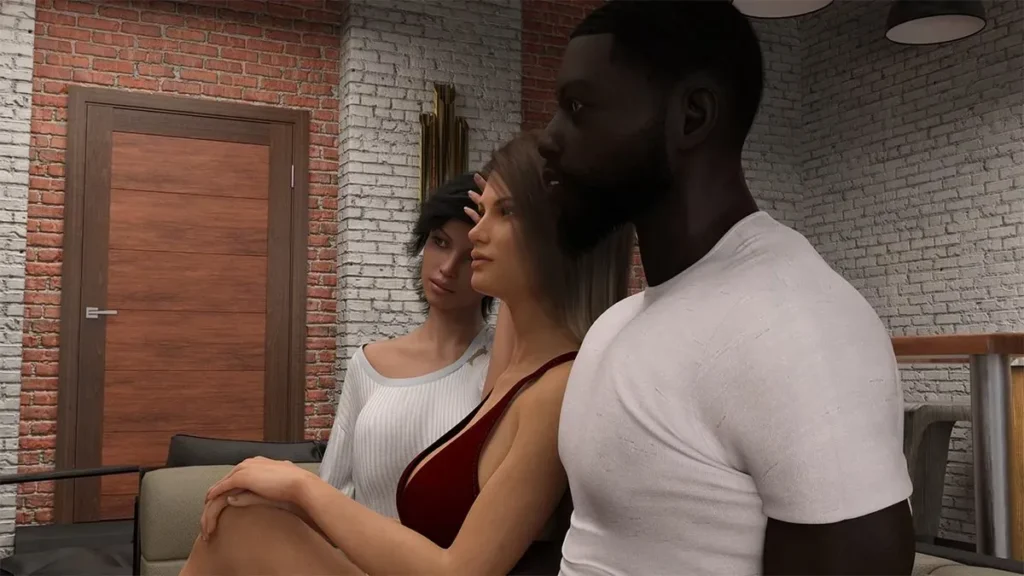










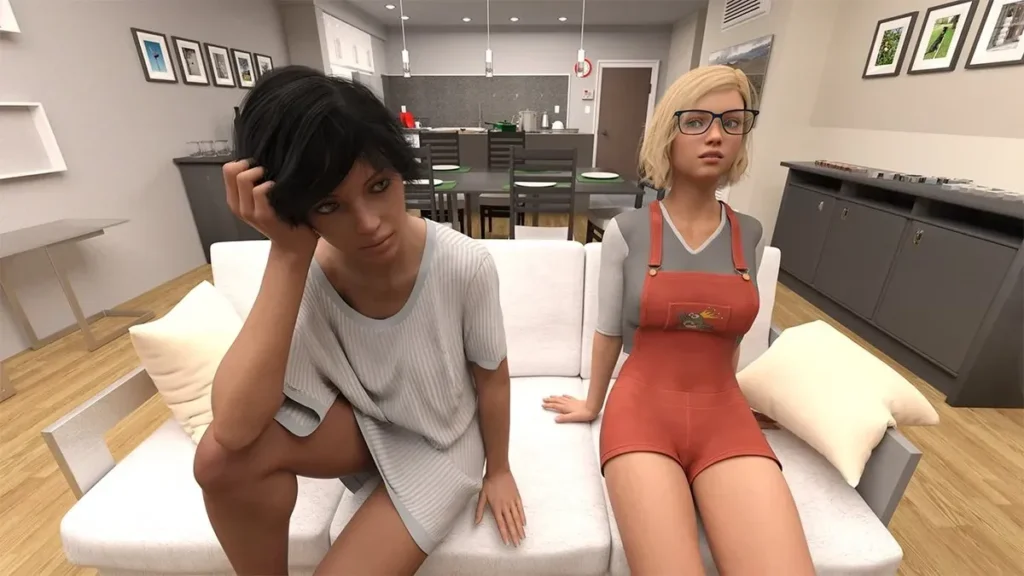

Jen’s Dilemma review
A personal, practical look at Jen’s Dilemma, its choices, pacing and how to get the most out of this story‑driven experience
Jen’s Dilemma is a story‑driven adult game that follows Jen’s fall from luxury into a much harsher life, where every choice nudges her further along very different paths. If you’ve seen the name around but aren’t sure what to expect, this guide walks you through the core narrative, how the sandbox progression really feels, and what kind of experience you’re signing up for. I’ll also share some personal impressions and practical tips so you can decide if Jen’s Dilemma fits your tastes and how to approach it in a way that keeps it fun rather than frustrating.
What Is Jen’s Dilemma and Why Do Players Talk About It?
So, you’ve heard people mention Jen’s Dilemma, seen it pop up in forums, and you’re left scratching your head. What is this game, really? Is it just another dramatic life sim, or is there something more to the buzz? 🧐 I was in your shoes once, curious but unsure. Having now spent considerable time navigating Jen’s world, I can give you the real, practical scoop. This chapter is my attempt to answer that core question: what is Jen’s Dilemma about, and why do players keep talking about it?
Let’s pull back the curtain on the premise, the unique (and sometimes frustrating) way it plays, and what it actually feels like to step into Jen’s shoes from day one.
Jen’s Dilemma Story Overview: A Fall From Comfort
At its heart, the Jen’s Dilemma story is a powerful, character-driven exploration of a “riches to rags” scenario. We meet Jen not at the start of her struggles, but at the precise moment her comfortable world fractures. She’s accustomed to a life of financial security, social status, and a certain safety net that most of us can only imagine. Then, through a series of unforeseen events (which the game reveals gradually), that entire foundation is ripped away. 🏠➡️🚪
Suddenly, Jen isn’t the girl with the easy life. She’s the girl trying to figure out how to pay rent, how to deal with judgment from her old social circle, and how to navigate a city that feels suddenly colder and more dangerous. The genius of Jen’s Dilemma isn’t in the fall itself, but in the aftermath. The game leans hard into the psychological and social tension of her new reality. Every interaction is tinted by her past. A simple coffee with an old friend becomes a minefield of pity and unspoken comparisons. A job application feels humiliating.
You, as the player, guide her reactions. Is she prideful, clinging to the remnants of her old identity? Is she pragmatic, willing to swallow her pride for a paycheck? Or does the pressure and fear push her towards desperate, darker choices to regain some sense of control or comfort? The game doesn’t judge; it presents scenarios and lets you explore the consequences. This makes Jen a surprisingly relatable avatar. Even in her exaggerated, dramatic circumstances, her core emotions—shame, fear, determination, resilience—are universally human.
The Jen’s Dilemma game focuses on these tough decisions under social and financial pressure. It’s a story about identity in crisis. Who is Jen when you strip away the wealth and the status? That’s the compelling question you’re there to answer.
If you’re the type of player who enjoys:
* Story-focused experiences where character development is key.
* Patient gamers who like to sit with a character’s journey.
* Fans of gradual progression, watching a person change bit by bit based on choices.…then the premise of Jen’s Dilemma will likely hook you. 🎣
How the Sandbox Structure of Jen’s Dilemma Works
Now, how does this story actually unfold? Jen’s Dilemma isn’t a linear, point-A-to-point-B visual novel. It’s built as a sandbox. Think of it less like reading a book and more like living a life, one repetitive day at a time. This structure is crucial to understand, as it defines the entire gameplay loop and is the source of both its charm and its criticism.
You control Jen in a semi-open world. There’s her modest apartment, various neighborhoods, city spots like cafes and parks, potential workplaces, and other key locations. Each day, you have a set amount of energy and time (represented by day/night cycles) to move between these places. The magic—and the grind—happens through triggered events.
Nothing major happens in a vacuum. To unlock the next story beat, you need to meet specific conditions. This might mean:
* Repeating an activity (e.g., working at the same job 10 times to impress a boss).
* Raising a hidden stat (like “Street Smarts” or “Social Confidence” by doing related tasks).
* Building a relationship meter with another character by talking to them daily.
* Being at the right location at the right time of day with the right prerequisites met.
This is the core of the Jen’s Dilemma sandbox. You wander, you click, you repeat dialogues, and you hope your actions are nudging an invisible progress bar forward. When everything aligns, a new, usually significant, story scene triggers.
This pacing profoundly shapes the feel of the game. For some players, this slow burn is immersive. You really feel the weight of Jen’s daily grind, the monotony of her new life, making those rare story breakthroughs feel earned and impactful. You become deeply familiar with the game world.
For others, this feels like a grind. You can play for real-world hours, performing the same repetitive tasks, without seeing any new narrative content. The gap between the intense, dramatic premise and the slow delivery of payoffs can be jarring. It demands patience.
To visualize the core loop, here’s a breakdown of a typical in-game day cycle:
| Phase | Primary Activities | Goal |
|---|---|---|
| Morning 🌅 | Self-care (shower, eat), checking the mailbox for bills, planning the day. | Manage basic needs and decide on daily focus (money, social, exploration). |
| Daytime ☀️ | Traveling to locations, working jobs, shopping for necessities, talking to characters in the city. | Earn money, increase stats, and trigger location-specific daytime events. |
| Evening/Night 🌙 | Different job shifts, social visits, special city events, or resting at home. | Unlock unique scenes that only occur after dark and manage energy for the next day. |
The key takeaway? Progression is rarely straightforward. You are piecing together Jen’s story by living her life, minute by minute, dollar by dollar. Whether that sounds captivating or tedious is the biggest factor in deciding if Jen’s Dilemma is worth playing for you.
My First Hours with Jen’s Dilemma: Expectations vs Reality
I went into Jen’s Dilemma utterly captivated by the premise. The promise of an emotional, dramatic riches to rags game was a siren call. I wanted to see this privileged character get her hands dirty, to witness the moment she had to choose between principle and survival. I booted it up ready for an intense, story-heavy experience.
The first hour was a blur of fascinating disorientation. 🌀 You’re dumped into Jen’s new apartment with almost no guidance. The interface was simple, but the sheer number of locations on the map was overwhelming. I spent my first few in-game days just wandering. I’d bump into a character at the bus stop and get a snippet of cryptic, judgmental dialogue. I’d try a shabby diner for a waitressing job and fail the simple mini-game, getting chastised by the manager. Every small interaction felt loaded with the subtext of her fall from grace. The tension was palpable, and I was hooked—I needed to see where this was going.
I quickly developed a routine: work at the diner in the day, visit the park to maybe see a familiar face, go home to sleep. Rinse and repeat. I assumed I was building towards something. And then… I kept repeating. And repeating. The big, dramatic story beats I was craving were hidden behind walls of repetition. I’d have the same three conversations with the landlord. I’d serve the same virtual customers. The emotional peak of my session would be finally getting a “Good job!” from the diner manager instead of a scolding.
It hit me during my third real-world hour, as Jen was walking to the same bus stop for the fifteenth time: “Oh. This isn’t just a slow build. This is the core loop. The story isn’t something that happens to the gameplay; the grind is the gameplay, and the story is the occasional reward.”
That was my moment of clarity regarding the infamous “grind.” The mismatch isn’t a bug; it’s a deliberate design choice to simulate the crushing weight of routine and the slow crawl of rebuilding a life. The Jen’s Dilemma game forces you to feel the mundane to make the meaningful moments stand out.
Once I reframed my expectations, my enjoyment changed. I stopped seeing it as a drama I was rushing through and started seeing it as a life I was inhabiting. I became more observant, noticing small changes in dialogue after I bought Jen a new outfit, or how a character’s attitude shifted after I helped them with a small task. The Jen’s Dilemma story became a mosaic I was slowly assembling piece by piece, rather than a movie I was watching.
So, if you’re wondering what is Jen’s Dilemma about on a practical level, it’s about this very experience. It’s about the space between the dramatic plot points. It’s a test of patience and a lesson in finding narrative in the daily grind. Going in with the right mindset—seeing it as a long-form, gradual narrative where you live with Jen day by day—is the single most important tip I can give you. It transforms the pacing from a frustrating barrier into an intentional, if challenging, part of the journey.
Jen’s Dilemma is the kind of game that rewards patience, curiosity, and an interest in slow‑burn character journeys rather than quick, constant payoffs. Once you know that you’re stepping into a grind‑heavy sandbox with a strong emotional setup, it’s much easier to enjoy what it does well: the dramatic contrast between Jen’s old life and her new reality, the gradual way relationships shift, and the sense that your choices really do shape who she becomes. If that sounds like your style, give Jen’s Dilemma the time it needs, pace yourself, and treat it as an ongoing story you check in on rather than something you rush through in one sitting.