
How to Fix the Future
Play How to Fix the Future
How to Fix the Future Screenshots


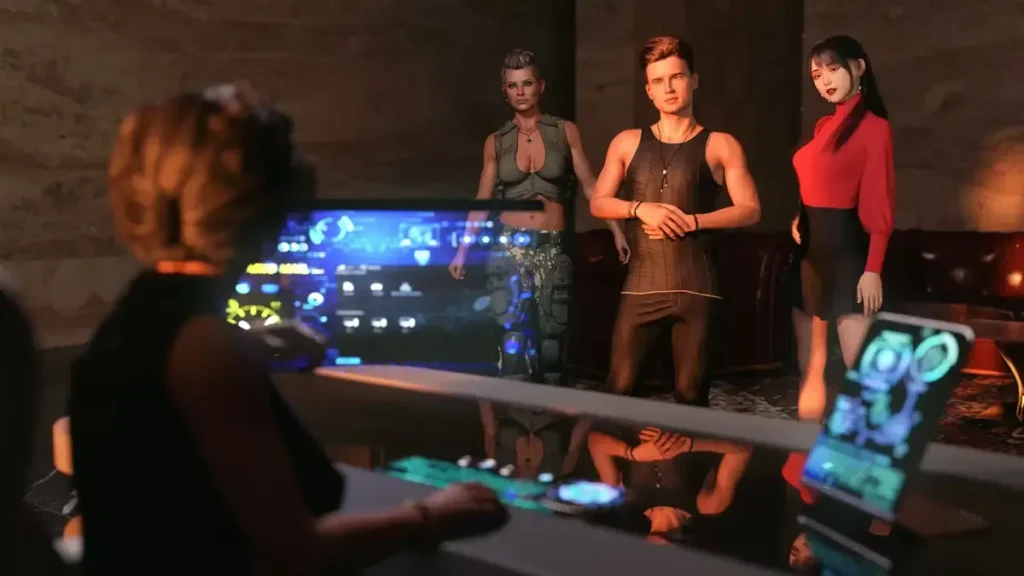
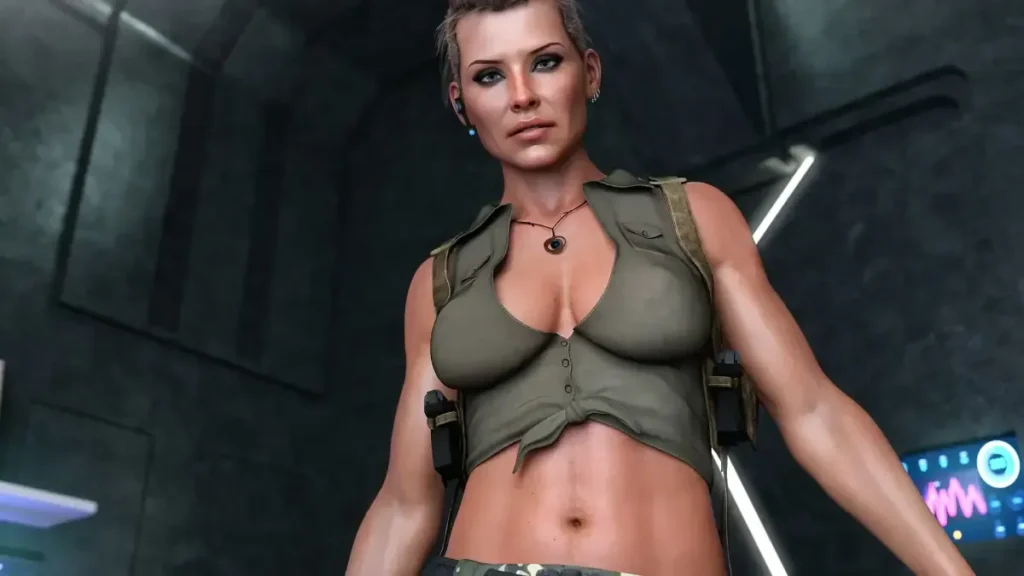






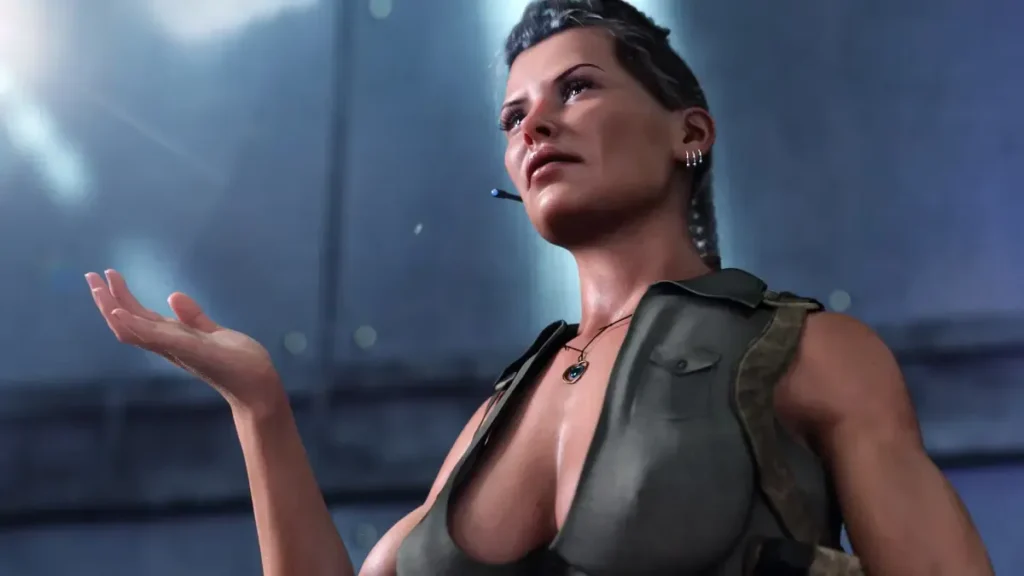





How to Fix the Future review
Master gameplay mechanics, character relationships, and story progression in this sci-fi adventure
How to Fix the Future stands out as an ambitious sci-fi visual novel that combines intricate narrative design with meaningful player choices. Developed by mr.moonmi, this game immerses you in a world where mysterious game disks arrive worldwide, and future agents recruit you for a critical operation. Whether you’re drawn to the compelling character development, the branching storyline, or the exploration mechanics, understanding the game’s core systems transforms your playthrough from confusing to captivating. This guide walks you through essential gameplay elements, relationship dynamics, and strategic approaches to unlock the full potential of this narrative-driven experience.
Understanding How to Fix the Future: Game Mechanics and Core Systems
Ever get the feeling you’re living two lives? 🕵️♂️ One where you’re just going through the motions at a mundane job, and another, secret one where you’re actually someone important? That’s not just a late-night existential thought—it’s the brilliant, beating heart of How to Fix the Future gameplay mechanics. This isn’t your standard visual novel where you click through dialogue. It’s a deep, reactive simulation where every choice, from a muttered complaint to a major moral decision, permanently stitches itself into the fabric of your world.
I remember my first playthrough. I was so focused on the “secret agent” part that I treated my day job like an annoying mini-game I had to speedrun. Big mistake. By ignoring office politics and snapping at my NPC boss, I didn’t just get a poor performance review; I locked myself out of a crucial ally and a stash of future tech I desperately needed later. The game had been quietly keeping score, and my sci-fi visual novel story progression paid the price. This taught me the first, most vital lesson: in this world, everything is connected.
What Makes This Game Unique: Story-Driven Gameplay
At its core, How to Fix the Future is a masterclass in narrative-driven game choices. The premise hooks you immediately: you receive mysterious game disks in the mail, only to discover they’re recruitment tools from agents of a fractured future. Your mission? Prevent a catastrophic timeline collapse. Sounds like a standard “chosen one” trope, right? Here’s the twist: you’re not whisked away to a secret base. You have to save the world while still paying rent, dealing with your boss, and remembering to buy groceries. 😅
This grounding in the ordinary is the game’s secret weapon. The sci-fi stakes feel higher because they’re constantly crashing into your very real, very boring problems. The genius of its cause and effect gameplay design is that it operates on two levels: the immediate (does this character like me now?) and the long-term (did I just plant the seed for a corporate takeover in Act 3?). The game’s systems are invisible threads, and you only see the full web when you tug on one and the whole structure shudders.
Your primary tool for navigating this is your character’s apartment. This isn’t just a save point; it’s a character development powerhouse. Every object—a half-read book, a faded concert ticket, a weird souvenir—is a piece of environmental storytelling that you, the player, define through your choices. Deciding to display that award from work or hide that cryptic note from your future handler changes how you view your own avatar, and subtly influences which dialogue options feel “right” to you. It’s a quiet, brilliant system that makes role-playing feel instinctive.
Dual Life Mechanics: Balancing Multiple Responsibilities
Juggling is an understatement. The dual life mechanics game design in How to Fix the Future forces you to become a master of triage. Your screen is often split, literally or figuratively, between competing demands:
- Your Day Job: Tasks, meetings, and office drama. Success here grants money, resources, and social capital.
- Your Social Life: Friends, family, and neighbors who need your time and attention. Neglect them, and you lose crucial emotional support networks.
- Your Secret Missions: The core sci-fi plot, involving dead drops, hacking, and temporal investigations.
The friction between these layers is where the game truly shines. You might have to decrypt a vital message from the future during a boring budget meeting, or explain away a stress-induced nightmare to a concerned roommate. Your stress level is a key meter here. Let it get too high, and it becomes a mood meter that colors every interaction. Show up to a delicate negotiation looking exhausted and twitchy, and characters will be less trusting, more hostile. You have to actively manage your own state, making time to relax, which itself is a choice with an opportunity cost.
This creates incredible narrative tension. Do you use your lunch break to cozy up to the suspicious intern, or to research strange energy fluctuations downtown? There’s no “right” answer, only a series of trade-offs that define your version of the story. This system ensures that the sci-fi visual novel story progression is never a linear track; it’s a branching path you carve while being pulled in three different directions at once.
Character Relationships and Memory Systems
Forget NPCs who reset after every conversation like nothing happened. How to Fix the Future features a groundbreaking character memory system visual novel enthusiasts dream about. Every character has a persistent, internal ledger of your actions. Did you help Sarah from Accounting fix her printer two weeks ago? She’ll remember, and might let a critical mistake on your timesheet slide. Did you rudely blow off your neighbor’s small-talk? Don’t expect him to hold your mail when you’re “away on a business trip” later.
This memory feeds directly into the game’s relationship dynamics game mechanics. Relationships aren’t just built on a simple “like/dislike” bar. They’re complex webs of debt, trust, suspicion, and alliance. The game features distinct character archetypes, each offering unique paths and resources.
| Character Type | Role & Influence | Gameplay Mechanics They Unlock |
|---|---|---|
| The Mentor (e.g., a seasoned colleague) | Provides guidance, resources, and cover for your activities. Trust must be earned over time. | Access to restricted areas, advanced equipment, critical plot exposition. |
| The Rival (e.g., a competitive coworker) | Challenges you directly. Can be turned into a reluctant ally or a formidable enemy. | Unlocks competitive story branches, provides motivation to improve skills, can become a late-game antagonist or partner. |
| The Wild Card (e.g., the Corporate Spy Intern) 🕵️♀️ | Has their own hidden agenda. Interactions are high-risk, high-reward. | Can provide explosive shortcuts or devastating betrayals. Unlocks secret missions and alternative solutions to major problems. |
| The Anchor (e.g., a family member or close friend) | Provides emotional stability and a connection to the “normal” world. Requires maintenance. | Reduces stress decay, offers non-judgmental advice, can provide a safe house or alibi in a crisis. |
This is where those early, seemingly insignificant narrative-driven game choices blossom or wither. Siding with a coworker in a low-stakes debate isn’t just about being nice; it’s an investment. It builds a relationship web of loyalty. That coworker might later be in a position to access a server log you need, and your past support makes them willing to bend the rules. Conversely, a sarcastic comment made in fatigue can fester, turning a neutral party into a roadblock.
Let me give you a real example from my playthrough that showcases the breathtaking cause and effect gameplay design. In Hour 2, during a tedious team-building event, my character was tired. When a perky colleague, David, started gushing about the company’s new “ethical data” policy, I chose the snarky, dismissive dialogue option: “Sounds like a PR stunt to me.” 🤨 A small moment. I forgot about it immediately.
Fast forward to Hour 12. A major plot point hinges on exposing a data breach. The key witness? David, who now works in the security department. When I approached him, instead of the helpful ally I expected, he was cold. “You made your opinion of this department pretty clear before,” he said. My throwaway comment from hours of gameplay ago had been remembered. He wouldn’t help without a major favor in return—a side quest that took nearly an hour to complete and made me miss a critical event elsewhere. My early, low-stakes choice had snowballed into a major narrative obstacle.
Tip: Treat the first 5 hours like laying the foundation for a house. Every conversation, every small choice, is a brick. You won’t see the full structure until much later, but the stability of your entire playthrough depends on it.
Mastering How to Fix the Future gameplay mechanics means understanding that you are always building your future, in both timelines. Your desk job, your friendships, and your secret war are not separate games—they are interconnected systems in one magnificent, demanding, and deeply rewarding machine. It challenges you not just to make choices, but to live with their echoes, creating a story that feels uniquely and authentically yours. 🚀
How to Fix the Future delivers a sophisticated gaming experience that rewards thoughtful exploration, respectful character interactions, and strategic decision-making. By understanding the dual life mechanics, mastering character relationship systems, and systematically exploring the game world, you unlock the full depth of this sci-fi narrative adventure. The game’s emphasis on cause-and-effect storytelling means every choice matters—from early conversations to secret missions—creating a personalized experience unique to your playthrough. Whether you’re drawn to the compelling character development, the branching storylines, or the satisfaction of discovering hidden content, approaching the game with patience and curiosity transforms it from a linear experience into an immersive journey. As the game continues to receive updates and new content, revisiting your playthrough with fresh strategies reveals layers you may have missed. Dive in, respect the characters’ boundaries, explore thoroughly, and let your choices shape the future.