Demons of the Hearth
Play Demons of the Hearth
Demons of the Hearth Screenshots





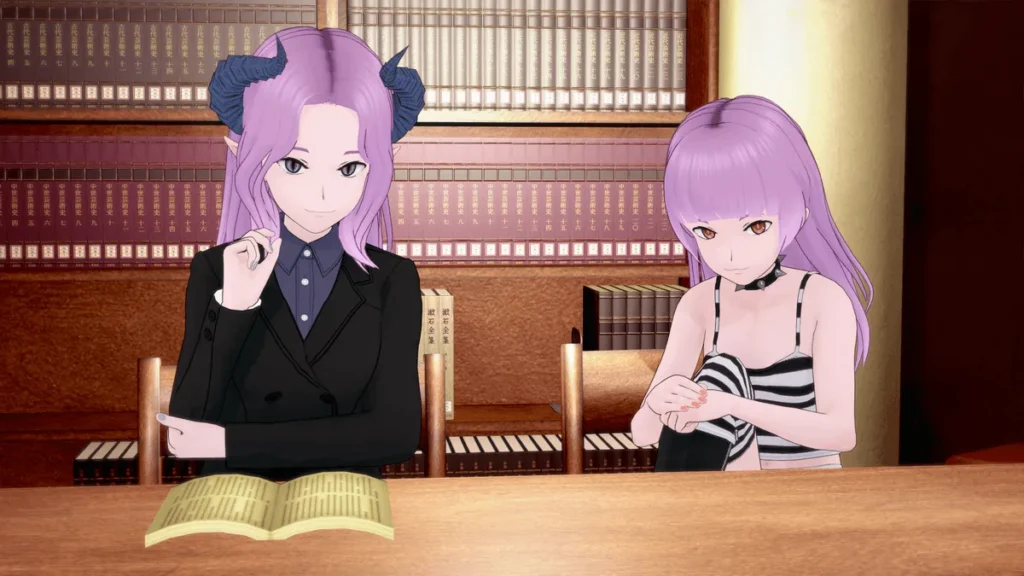
Demons of the Hearth review
Dive into Storytelling, Characters, and Intimate Gameplay
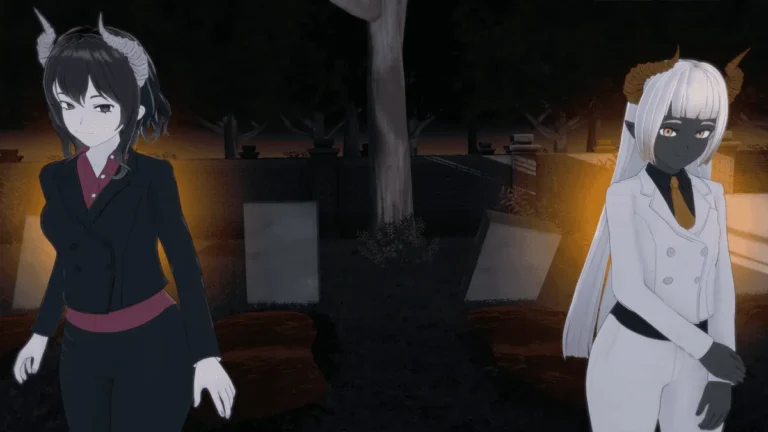
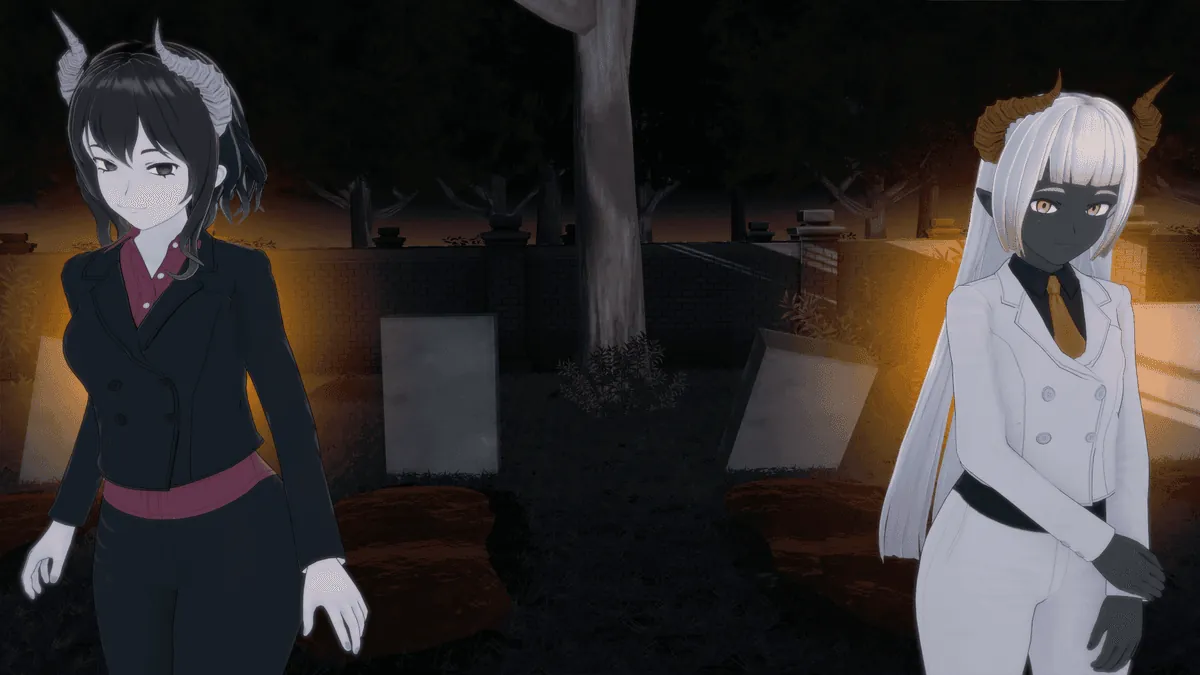
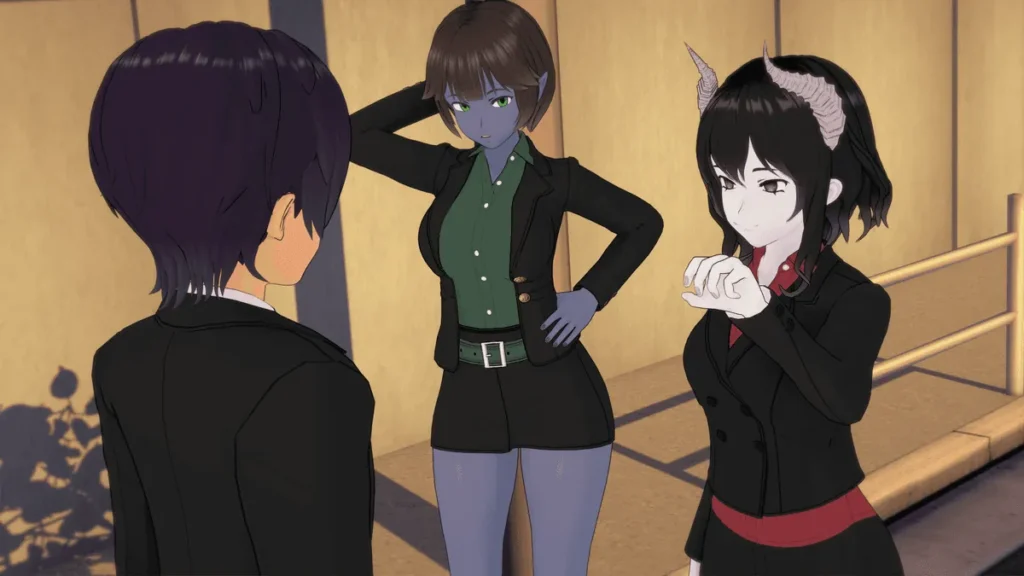
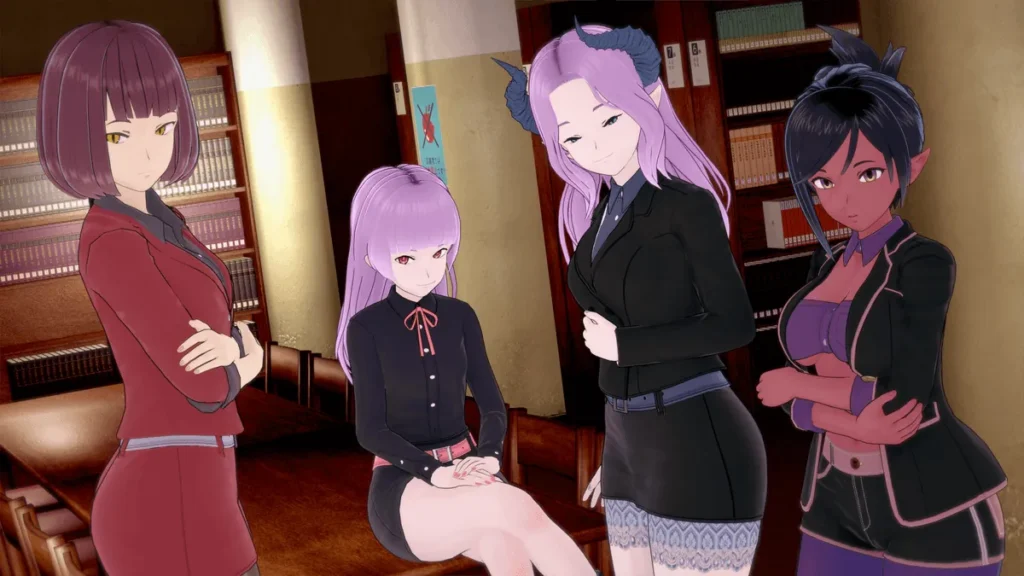
Ever stumbled upon a game that feels like a personal thriller unfolding right in your living room? That’s Demons of the Hearth for you—an interactive visual novel where rebuilding a family home uncovers dark secrets and steamy encounters. I remember my first playthrough; heart pounding as trust built with quirky characters like the white-haired horned Krowe and her purple-haired counterpart. This Demons of the Hearth guide breaks down its gripping narrative, deep character arcs, trust mechanics, and those tantalizing adult moments that keep you coming back. Whether you’re new or replaying for hidden paths, let’s explore why this gem stands out in adult gaming.
What Makes Demons of the Hearth Gameplay So Addictive?
I still remember the night I truly fell into the world of Demons of the Hearth. It was well past midnight, the room lit only by my screen, and I was faced with a simple yet monumental choice: agree with a character’s cynical worldview to gain easy favor, or challenge it and risk pushing them away. My cursor hovered, the silence of the house amplifying the tension. I chose to challenge them. That single decision didn’t just change a dialogue—it rippled outward, unlocking a narrative branch hours later that I had no idea existed. That’s the magic hook of Demons of the Hearth gameplay 🎮. It doesn’t feel like playing a game; it feels like living inside a dynamic, responsive story where every interaction carries weight.
This isn’t about leveling up stats or collecting loot. The addiction comes from the profound connection between your choices and the living world. You’re not grinding; you’re relating. And at the heart of it all is a genius piece of design that makes every playthrough uniquely yours.
How the Trust System Shapes Your Story Choices
Forget morality meters or simple “like/dislike” counters. The trust system Demons of the Hearth employs is a delicate, multifaceted beast. It’s the invisible engine of the entire experience. Trust isn’t a currency you earn by fetching coffee or repeating what someone wants to hear. It’s built through meaningful interaction, through showing you understand—or are willing to try to understand—the complex, damaged people around you.
Here’s the crucial insight: sometimes, respectful disagreement builds a deeper bond than blind, sycophantic agreement. Early on, I treated every interaction like a puzzle to be solved, always picking the option I thought would please the character most. My progress felt flat, almost robotic. Then, during a tense conversation with the artist, Rhys, I decided to be honest and push back on his self-destructive reasoning. The conversation grew heated, and he walked away. I thought I’d failed. But the next time we spoke, the dialogue was different—more raw, more real. He acknowledged my challenge, and the trust system Demons of the Hearth registered it as a sign of genuine engagement, not rejection. It was a revelation.
This system triggers events, unlocks conversations, and opens (or closes) entire story paths based on the quality of your relationships, not just their quantity. It remembers not just what you said, but how you’ve behaved over time. Are you consistent? Are you kind when it costs you nothing? Do you listen?
To help visualize the core mechanics, here’s a breakdown of how these systems work together:
| Mechanic | Description | Tip for Success |
|---|---|---|
| Trust System | The core relationship driver. Responds to authenticity, consistency, and meaningful choices rather than transactional favors. | Engage with characters as whole people. Sometimes asking a thoughtful question builds more trust than immediately trying to “fix” their problem. |
| Sandbox Navigation | The open-ended world structure. Time passes, characters have schedules, and events trigger based on world state and your actions. | Check the main menu’s “Current Threads” hint system regularly. It subtly points you toward active story triggers without spoilers. |
| Side Quests | Emotional, character-driven vignettes that feel organic, not like checklist tasks. They often reveal crucial backstory. | Explore every location persistently. Many quests only begin after multiple visits or after specific main story beats. |
| Hidden Stats | Passive traits (e.g., “Perceptive,” “Cynical,” “Protective”) shaped by your cumulative dialogue and action choices. | Play instinctively according to your role-play. These stats form naturally and will unlock specific response options later. |
The beauty is that there’s no “optimal” path. The trust system Demons of the Hearth creates is about crafting your version of these relationships, with all their beautiful imperfections.
Navigating Sandbox Mode and Side Quests Effectively
A common question players have is how to progress in Demons of the Hearth without a quest log full of arrows. The game uses a sandbox mode Demons of the Hearth that is brilliantly deliberate. You are free to explore the town and its characters, but the story advances through cause and effect, not just exploration. Think of it as a narrative ecosystem 🏙️.
The key is understanding triggers. The main plot won’t move forward just because you’ve clicked on every object. You need to engage with the right people, at the right times, under the right conditions. For instance, you won’t trigger a serial killer investigation storyline unless there’s actually been a killing in the game world. The game respects its own internal logic fiercely.
Pro Tip: Your main menu is your best friend. The “Current Threads” section provides gentle, in-character hints about what might be worth looking into next. It’s the perfect nudge when you feel unsure how to progress in Demons of the Hearth.
This is where Demons of the Hearth side quests shine. They aren’t distractions; they are the lifeblood of the world and often the primary vehicle for how to progress in Demons of the Hearth. I’ll never forget following a series of vague rumors about missing pets, which led me to a neglected part of town and a conversation that made my heart beat faster—not from action, but from a chilling revelation about a major character’s past. These quests feel earned and emotionally resonant. They exist because you listened, you followed up, and you cared.
To avoid getting stuck in the sandbox mode Demons of the Hearth, remember:
* Talk to everyone, repeatedly. Dialogue options update based on story progress.
* Revisit key locations like the tavern or market at different times of day. 🌇🌃
* If you’re truly lost, focus on one character’s thread. Deepening a single relationship can often unlock the next main beat.
* Be patient. The game rewards observation and patience over frantic running around.
Unlocking Hidden Stats for Replayable Paths
This is the secret sauce for the legendary Demons of the Hearth replayability. Beyond the visible trust with individual characters, your choices are quietly building a profile of your main character. These hidden stats Demons of the Hearth tracks—think of them as personality traits like “Empathetic,” “Confrontational,” “Curious,” or “Guarded”—are never displayed on a screen. You feel their presence through the options available to you.
In one playthrough, where I often chose compassionate, diplomatic responses, I found myself later able to defuse a violent situation with words alone—an option my more aggressive friend in his playthrough never saw. The game remembered my tendency toward peace. My character had effectively become a more empathetic person through my choices, and the world reacted accordingly.
This is what makes Demons of the Hearth replayability so compelling. You’re not just making different plot choices; you’re sculpting a different person. On a second run, I played as a more cynical, direct individual. When the pivotal moment with Rhys arrived, I didn’t just challenge his views—I openly mocked his self-pity. The result? A completely different confrontation, leading to a bitter rivalry thread I never knew existed, which ultimately flipped the entire ending on its head. The hidden stats Demons of the Hearth uses facilitated these entirely different narrative arcs.
The gameplay loop is deceptively simple but endlessly deep: interact meaningfully to build trust, explore the sandbox to discover triggers, let side quests enrich the world, and allow your hidden personality to form organically. Every session becomes a unique “what if” scenario. 🎭
You don’t master Demons of the Hearth gameplay; you learn to live within its rules. You stop trying to “win” and start trying to “connect.” And in doing so, you unlock story after story, each feeling personal, each haunted by the ghosts of the choices you didn’t make—which is the best reason to start all over again.
Your Demons of the Hearth Progression FAQs
Q: I feel stuck in sandbox mode. How do I move the main story forward?
A: First, check the “Current Threads” in the main menu for hints. Second, focus on deepening your relationship with one of the main characters through multiple conversations. Often, the main plot advances only after key trust thresholds are met with specific people.
Q: Can I max out trust with everyone in one playthrough?
A: It’s extremely difficult, and often narratively impossible, by design. Characters have conflicting values and desires. Choosing to support one person’s goal might inherently damage your relationship with another. The game is about choice and consequence, not universal approval.
Q: How do I find and start side quests?
A: Talk to everyone, and listen carefully to rumors and off-hand comments. Many Demons of the Hearth side quests begin by overhearing a conversation in the tavern or by noticing a small, persistent change in the environment. Revisit locations and talk to characters again after major story events.
Q: Are there any “point of no return” moments I should save before?
A: Yes. The game often signals major branching decisions with more formal, weighty dialogue scenes. If you want to see multiple major outcomes, it’s wise to create a manual save at the start of any new “Act” as hinted in the menu, or before a clearly pivotal confrontation.
Q: Do my small, everyday dialogue choices really matter, or just the big ones?
A: They absolutely matter. The hidden stats Demons of the Hearth uses are built from the cumulative effect of all your choices. A pattern of small, kind actions can unlock a compassionate solution hours later, just as a pattern of sarcasm may open up a more confrontational path.
Demons of the Hearth masterfully weaves emotional storytelling, nuanced characters like Krowe and Rhys, and a trust-driven gameplay loop that delivers thrills and intimacy without the grind. From my replays, it’s the messy, choice-fueled growth and surprise side quests that make it unforgettable—far beyond typical visual novels. If you’re craving a narrative that grips your heart and stirs deeper desires, download it now from itch.io and start your journey. Share your favorite paths in the comments; I’d love to hear how your hearth rebuild turned out!