
Corporate Culture
Play Corporate Culture
Corporate Culture Screenshots












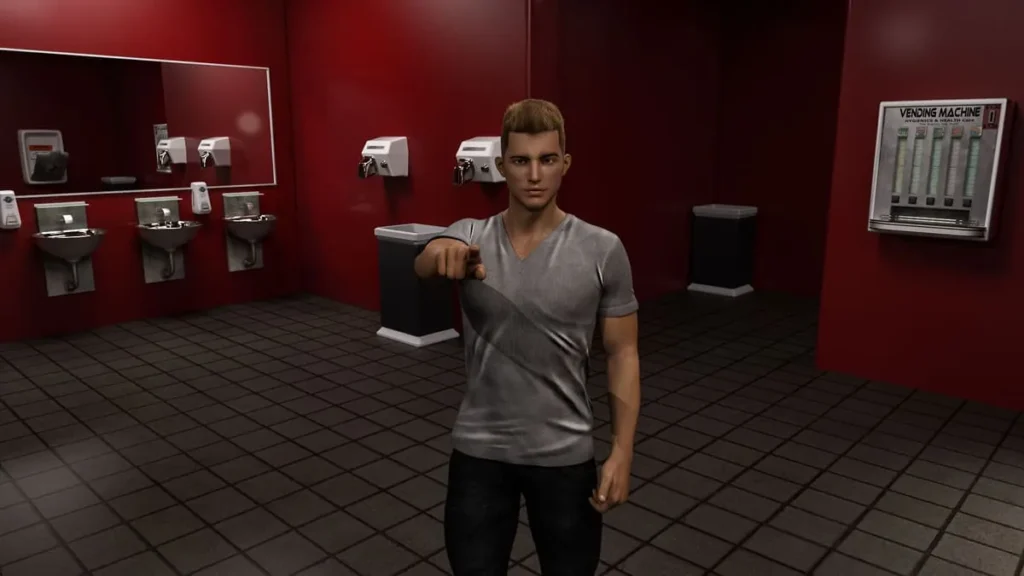









Corporate Culture review
Dive into the Thrilling Office Power Plays and Builds
Ever stepped into a virtual office where every promotion comes with steamy twists and ruthless rivalries? That’s Corporate Culture, the addictive porn game blending corporate ladder climbs with explicit encounters and deep build customization. I remember my first playthrough—grinding levels while navigating seductive boardroom deals hooked me instantly. This guide unpacks everything from core mechanics to pro strategies, helping you dominate the office hierarchy. Whether you’re chasing high-score runs or replaying for those tantalizing scenes, we’ve got the insider tips to elevate your game. Let’s turn your sessions into legendary power moves!
Mastering Corporate Culture Gameplay Basics
I still remember my first playthrough of Corporate Culture—what a beautiful mess. 😅 I spent three in-game months fetching coffee for Brenda from Accounting, my “Charisma” stat was basically zero, and I accidentally triggered a rivalry scene with the CEO by using the wrong emoji in a company-wide chat. I was stuck, frustrated, but weirdly hooked. That’s the magic of this game: it perfectly captures the thrilling, cutthroat, and occasionally sensual drama of office life. If you’re here, you’re ready to move past the coffee runs and master the Corporate Culture gameplay. Let’s get you promoted.
The core loop is deceptively simple but incredibly deep. Your goal is to ascend the corporate ladder climb, transforming from a nervous new hire into a powerful executive (or whatever your ambition desires). You do this through three interconnected pillars: recruiting allies to build your faction, competing in challenges against rivals, and triggering key events through careful choices and stat checks. Every dialogue, every task, every lingering look in the breakroom is a move in a grand, unspoken game of power and persuasion.
How Do You Climb the Corporate Ladder in Corporate Culture?
Climbing isn’t just about doing your job well; it’s about playing the people around you. Think of each promotion tier as a gate guarded by a challenge or a person. To pass, you need the right key—a high enough skill, a favor from an ally, or blackmail material on a rival.
My first big breakthrough was for the “Junior Manager” promotion. The challenge was “Streamline the Q3 Reporting Process.” Sounds boring, right? Here’s the play: I could grind my “Analytics” stat for a week to solve it solo (the safe route). Or, I could use my middling “Cunning” to discover that my direct competitor, “Marcus,” had fudged his numbers. I chose the latter. I confronted him in a dialogue tree, using my gathered evidence (“Cunning” check passed), and offered a deal: he supports my proposal, and I don’t send my findings upstairs. He agreed, becoming a reluctant ally. I unlocked the promotion and a unique scene where Marcus bitterly “congratulates” you at the bar after hours—a scene full of tension and future plot hooks.
Here’s your step-by-step mechanical guide to the corporate ladder climb:
- Identify the Gatekeeper: Every promotion has one. Check your “Career Path” menu. Is it a person (e.g., “Impress Department Head Vargas”) or a task (e.g., “Win the Phoenix Client Pitch”)?
- Gather Intel: Talk to NPCs, read emails on shared drives (a great “Cunning” activity), and observe interactions. You might learn the gatekeeper’s likes, dislikes, or secrets.
- Choose Your Approach: This is where your build stats Corporate Culture focus comes in. A charisma build might schmooze and charm. A cunning build might gather leverage. An endurance build might simply out-work everyone on the grind.
- Execute & Face Consequences: Your choice triggers an event with skill checks. Success propels you forward, often unlocking new areas and characters. Failure might set you back or create a new, more dramatic problem to solve (which is often just as fun!).
The skill trees—like “Leadership,” “Financial Acumen,” or “Office Politics”—unlock new actions and dialogue options. Investing in “Office Politics,” for example, might let you start rumors or interpret the true meaning behind a VP’s vague memo. The risk-reward is constant: do you spend your limited after-hours “Energy” on grinding a stat, building a relationship, or sabotaging a rival? There is no single right answer, only your story.
Unlocking Key Office Interactions and Scenes
The office interactions Corporate Culture offers are where the game truly shines and earns its reputation. This isn’t just about clicking through dialogue. It’s a dynamic social simulator.
Every character has a relationship meter (visible or hidden) and a “temperature” — are they friendly, neutral, hostile, or… interested? How to unlock scenes Corporate Culture is all about manipulating these variables. Scenes range from tense confrontations in the boardroom to steamy encounters in the supply closet, and they’re locked behind specific conditions.
- Dialogue Trees: Your stats directly influence available options. A high “Charisma” gives you persuasive, flirty, or inspirational choices. High “Cunning” offers manipulative, probing, or deceptive lines. Picking the right option for the character’s personality is key. Telling the stern, no-nonsense CEO a joke might backfire, but appealing to their ambition might open doors.
- Seduction & Social Mini-Games: Certain interactions initiate mini-games. For example, a “Lunch Date” might be a timing game where you choose conversation topics to keep their interest meter high. A “Late-Night Work Session” could be a puzzle where you arrange project elements to impress them with your “Intellect.” Successfully navigating these often triggers major relationship milestones and exclusive scenes.
- The “Alone Time” Trigger: Many of the most memorable scenes require you to be alone with a character in a specific location. This means managing schedules (found on the office intranet) and using “Cunning” to create distractions or excuses. Unlocking the “Rooftop Garden at Sunset” scene with the enigmatic IT head, for instance, required me to complete a side quest for her to get the access code, then send her rival a fake meeting request to clear her calendar.
Replay value is huge. On another playthrough, I ignored that IT head entirely and focused on building a power couple with a fellow department manager. By combining our influence, we triggered a completely different suite of scenes about dominating the boardroom together, which was just as rewarding. The office interactions Corporate Culture designs are multifaceted paths to power and intimacy.
Essential Stats and Build Foundations
Your character’s capabilities are defined by five core attributes. Understanding these is the absolute bedrock of any Corporate Culture beginner guide. You can’t unlock scenes or climb the ladder without them.
- Charisma: Your social force. Affects persuasion, charm, and leadership. Crucial for building alliances and romantic subplots. 🎤
- Cunning: Your subtle edge. Affects deception, gathering intel, and strategic planning. Key for sabotage, blackmail, and uncovering secrets. 🦊
- Intellect: Your raw processing power. Affects problem-solving, analytics, and mastering complex tasks. The most straightforward path to completing work challenges. 🧠
- Endurance: Your stamina and resilience. Affects energy pool, stress management, and the ability to work long hours. Prevents you from burning out and making mistakes. 💪
- Presence: Your aura of authority and attractiveness. A unique stat that affects how characters initially react to you and unlocks certain high-risk, high-reward dialogue options. ✨
You’ll invest points earned from promotions and key events into these. A “build” is how you specialize. Don’t try to be good at everything early on. Focus on two primary stats and one secondary.
Let me walk you through a “case study” from my aggressive playthrough. I went all-in on Charisma and Cunning, with a dash of Presence. My “office bully” rival, Chad, was blocking my promotion. Grinding Intellect to out-report him would have taken ages. Instead, I used Cunning to find his secret side business using company resources. Then, I used my Charisma to befriend his insecure protégé, gleaning more details. Finally, I confronted Chad not with threats, but with a Charisma/Presence-checked offer: he gracefully moves to another team, and his secret stays with me. He folded. The resulting scene where you take over his corner office was immensely satisfying. This bold, risky approach, fueled by a focused build, led to an epic win.
| Build Name | Primary Stats | Pros | Cons | Ideal Playstyle |
|---|---|---|---|---|
| Balanced Diplomat | Charisma, Intellect | Versatile, great for beginners. Can talk and work their way out of problems. Unlocks a wide range of peaceful scene options. | Master of none. Can struggle in highly confrontational scenarios or ultra-stealthy maneuvers. | |
| Aggressive Climber | Cunning, Presence | Fast, dramatic progression. Excels at intimidation, manipulation, and seizing power directly. Unlocks thrilling “hostile takeover” scenes. | Makes many enemies. Failed checks have severe consequences. Can miss out on cooperative relationship arcs. | |
| Stealthy Manipulator | Cunning, Intellect | Controls the board from the shadows. Excellent at gathering blackmail and setting up rivals to fail. Unlocks secret scenes and info. | Slow initial climb. Requires patience and planning. Low Charisma can make direct socializing difficult. |
Practical Daily Grind Routine:
Start your in-game day by checking emails and the office rumor mill (Cunning). Use your midday energy on a core stat activity (e.g., “Networking Lunch” for Charisma). Spend after-hours energy either deepening a relationship or working on an active promotion task. Always save before a major interaction!
Common Pitfall: New players often neglect Endurance. Running your energy to zero increases “Stress,” which gives debuffs to all your checks and can trigger negative mental health scenes. Manage your stamina!
Corporate Culture Beginner Guide FAQ
Q: What’s the best first promotion path for a beginner?
A: Aim for “Team Lead” in your starting department. The challenges are straightforward, often based on your starting job type. It’s a safe way to learn the promotion mechanics and earn your first big stat points.
Q: I keep failing dialogue checks with my favorite character. What am I doing wrong?
A: You’re likely approaching them with the wrong stat. The aloof analyst probably responds to Intellect checks. The ambitious sales director might prefer Presence or Cunning. Re-observe their reactions to other NPCs and adjust your build or approach.
Q: How important are “after-hours” activities?
A: Crucial. The office empties out, schedules clear, and this is your prime time to build relationships or engage in clandestine activities without witnesses. Most major scene unlocks have an “after-hours” component.
Q: Can I recover from making a major enemy early on?
A: Absolutely! This isn’t a game over; it’s a new plotline. You can try to reconcile (high Charisma), neutralize them by exposing their flaws (high Cunning), or even turn them into a begrudging ally through a series of fraught interactions. Some of the best stories come from bitter rivalries.
Mastering Corporate Culture gameplay is about embracing your chosen role and riding the drama. Whether you’re a charismatic leader, a cunning strategist, or a relentless workhorse, your journey up the corporate ladder climb will be uniquely yours, filled with personal victories, scandalous office interactions, and the deep satisfaction of a build stats Corporate Culture plan coming together perfectly. Now get in there, make some choices, and start unlocking those scenes
Wrapping up your Corporate Culture journey, you’ve got the tools to conquer office empires, craft killer builds, and savor every steamy encounter. From those nail-biting ladder climbs to unlocking hidden scenes, this game rewards bold plays and smart strategies—like that time I turned a rival takeover into my ultimate victory lap. Dive back in, experiment with new paths, and share your wildest runs in the comments. Ready to level up? Grab the game, hit play, and build your legacy today—what’s your next power move going to be?