Boat
Play Boat
Boat Screenshots


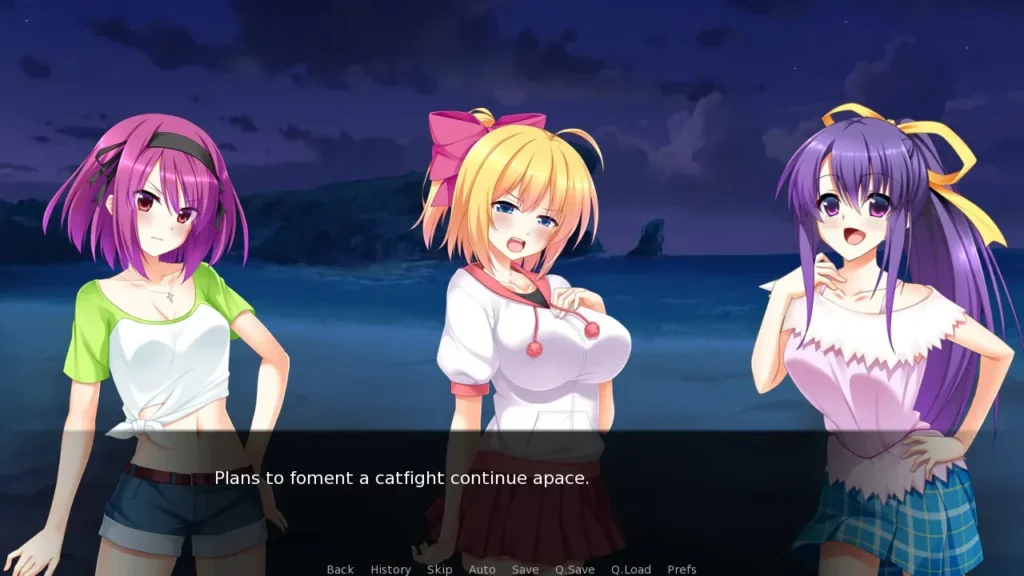
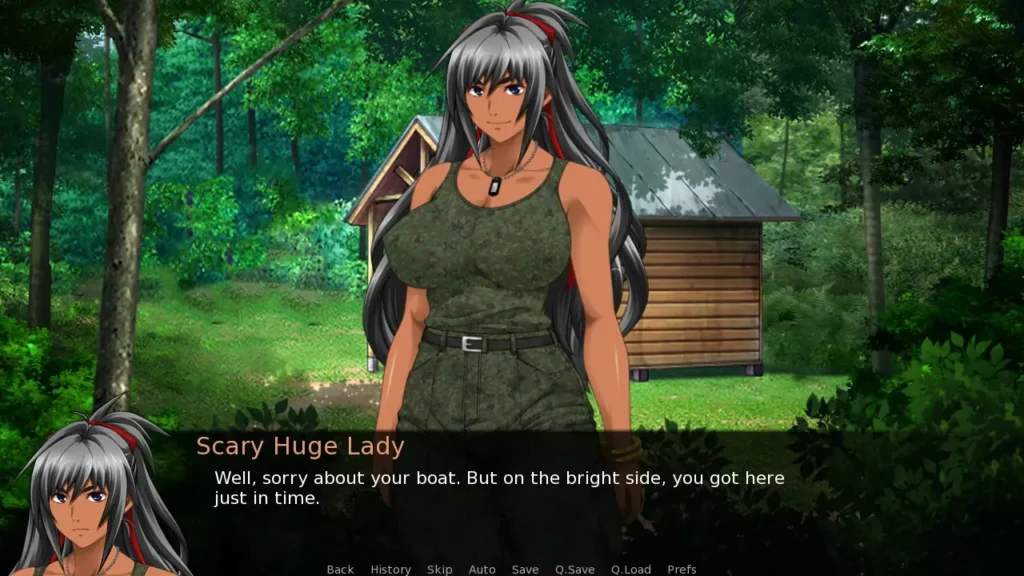





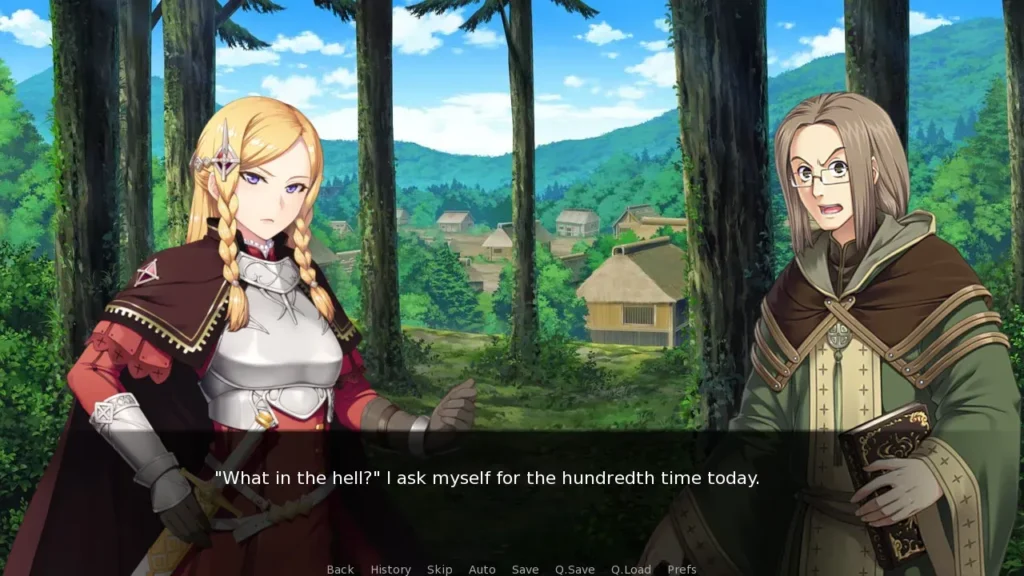


Boat review
Discover immersive adventures and tips for mastering Boat gameplay
Ever stumbled upon Boat and felt that rush of curiosity mixed with excitement? This captivating game pulls you into a world of thrilling choices, intense encounters, and strategic gameplay that keeps you hooked for hours. As someone who’s spent countless late nights navigating its depths, I can tell you Boat isn’t just any title—it’s a masterclass in adult gaming with deep mechanics and rewarding progression. Whether you’re a newbie setting sail or a veteran optimizing your runs, this guide unpacks everything from core features to pro tips. Dive in, make bold decisions, and elevate your Boat experience today.
Mastering Boat Basics: Your First Voyage
I’ll never forget my first Boat gameplay session. I was so eager to explore the stunning coastline that I grabbed the first character class I saw and smashed the “confirm” button. Big mistake. 🫣 Within minutes, I was stuck in a tense standoff with a rival crew, my character completely unsuited for diplomacy. That single, rushed decision taught me more about how to start Boat game than any tutorial ever could. Every choice, from your first mate to your vessel, sends ripples across your entire adventure.
Let’s make sure your Boat first playthrough is smooth sailing from the very first click. This isn’t just a tutorial; it’s your personal map to avoiding the rocky shores I crashed into. Think of this as your essential Boat beginner guide, crafted from all the lessons I learned the hard way. 🗺️
What Makes Boat Gameplay Addictive? 🎣
What hooks you in Boat isn’t just the gorgeous sunsets on the open water—it’s the feeling of genuine agency. The core Boat gameplay loop is a masterclass in player-driven storytelling. You’re not just following a plot; you’re writing it with every dialogue choice, navigation decision, and resource you gather.
- The Progression Loop: You set sail with a goal, face dynamic events (a sudden storm, a mysterious shipwreck), make choices that grant resources or reputation, and use those to upgrade your boat and crew for the next, bigger challenge. This “sail, survive, improve” cycle is incredibly satisfying.
- Meaningful Replayability: This is where Boat truly shines. Your early starting choices Boat offers don’t just change a few lines of dialogue; they unlock entirely different story branches, characters, and solutions to puzzles. Choosing a savvy merchant versus a fearless explorer creates two fundamentally different worlds. You’ll want to dive back in just to see what’s over the horizon on a different path.
- Strategic Immersion: Whether it’s navigating treacherous reefs using your map skills, negotiating for supplies with limited charm, or managing your crew’s morale during a long voyage, every system demands your attention. You’re not just playing a game; you’re captaining a living, breathing journey.
Essential Controls and Starting Choices in Boat ⚓
Before you catch the wind in your sails, let’s get familiar with the deck. The Boat controls are intuitive but have hidden depth.
- Primary Navigation: Use
WASDto steer your vessel. The mouse controls your camera view—essential for spotting landmarks or threats on the horizon.Eis your universal “interact” key for talking, looting, and inspecting. - UI Navigation: Your Boat gameplay hub is the Captain’s Log (default key
L). This is your mission tracker, codex, and inventory all in one. Get used to checking it! The radial menu (holdTab) is your quick-access tool for items, abilities, and crew commands during tense moments.
Now, the most critical moment: your starting setup. Your initial selections are the foundation of your entire journey. Here’s a breakdown of the top choices to consider for your Boat first playthrough.
Top 5 Starting Choices for New Captains
- The Coastal Trader (Class): Focused on Charisma and Resourcefulness.
- Pros: Easier early-game economy, better trade deals, great at talking your way out of fights. Perfect for a story-rich first run.
- Cons: Weaker in direct naval conflicts, relies on clever planning over brute force.
- The Salvage Skiff (Vessel): A balanced, durable starter boat.
- Pros: Extra cargo space for loot, can take more hull damage, forgiving for beginners who might bump a few rocks.
- Cons: Slower speed than lighter vessels, making some escape scenarios trickier.
- First Mate: Kael the Navigator (Crew):
- Pros: Reveals more of the map at start, reduces chances of getting lost in storms, provides key lore hints.
- Cons: Less effective in boarding actions compared to a combat-focused mate.
- Starting Region: The Serpent’s Teeth Archipelago:
- Pros: Dense with explorable islands and short voyages, allowing you to learn core mechanics without long, empty sailing periods.
- Cons: More pirate activity, leading to frequent (but manageable) early combat encounters.
- Initial Cargo: Tools & Repair Kits:
- Pros: Lets you fix damage immediately, keeping you at sea longer. Saves precious gold early on.
- Cons: Less immediate selling value compared to trade goods like spices or silk.
Pro Tip: Don’t try to build a “perfect” all-rounder. Lean into a specific style for your first voyage. A focused build is far more powerful and fun than a mediocre jack-of-all-trades.
To visualize how these choices set your course, here’s a quick reference:
| Choice Focus | Early Game Style | Key Mechanic Affected |
|---|---|---|
| Combat Class (Marine) | Aggressive, seek out conflicts | Boarding Success, Cannon Damage |
| Diplomacy Class (Trader) | Talkative, network-driven | Barter Rates, Alliance Options |
| Exploration Vessel (Swift Sloop) | Fast, risk-taking scout | Travel Speed, Discovery Chance |
| Cargo Vessel (Sturdy Cog) | Slow, steady merchant | Hold Capacity, Voyage Profit |
Common Beginner Mistakes to Avoid in Boat 🚫
I made all of these, so you don’t have to. Here are three real pitfalls that can capsize your early hours, complete with my hard-earned advice.
1. Ignoring the Weather Gauge
On one voyage, I saw a storm on the horizon but thought I could outrun it. I couldn’t. My ship was battered, my crew miserable, and I lost precious cargo overboard. I learned the hard way that rushing leads to setbacks.
* The Fix: Always check the weather wheel in the top-right corner. Plot courses around storm cells, or drop anchor at a safe island to wait it out. Respect the sea!
2. Hoarding All Your Resources
In my first playthrough, I saved every special item and chunk of gold for “something better later.” This meant I sailed with a weak hull and basic cannons for far too long, making simple fights way harder than they needed to be.
* The Fix: Spend to improve! Gold is useless at the bottom of the sea. Invest in at least one hull upgrade and better sails early on. Use consumable items like special ammunition when you’re in a tough spot—they exist to be used.
3. Failing a Skill Check Isn’t Failure
Early on, I failed a difficult Perception check to spot a hidden reef. I reloaded my last save immediately. I robbed myself of a fantastic, unplanned moment where I had to repair my ship on a strange island, leading to a unique side-quest.
* The Fix: Embrace failed checks. Boat gameplay is designed so that “failure” often opens unexpected, compelling story paths. Keep sailing unless it’s a total disaster. The most memorable stories come from recovery, not perfection.
🚨 A Tense Early Encounter Story: After my poor starting choice, I faced that rival crew. My low Charisma meant negotiations failed instantly. Combat began, and my poorly-equipped ship was outgunned. Instead of fighting, I used a fog bank (an environmental feature I’d ignored before) to break line-of-sight and flee to a nearby neutral port. There, I used the reputation I did have to hire a tougher gunner for the next encounter. It taught me that in Boat, there’s almost always a third option if you look for it and use your surroundings.
FAQ: Your First Voyage Questions Answered
What if I pick the “wrong” starting choices?
There’s no truly wrong choice in Boat, only different stories. The game is designed to be completed with any setup. If you feel you’re struggling, it’s an opportunity to adapt your strategy, not a reason to restart. Lean into your strengths!
I feel overwhelmed by the map and options. What should I do first?
Follow the first main story quest until you’ve visited your first two ports. This will gently introduce core mechanics like sailing, trading, and simple quests. Then, feel free to ignore the main quest and poke around the nearest small islands to get your sea legs.
How important is it to talk to every crew member?
Very! Your crew aren’t just stats; they have personal quests, opinions that affect morale, and can give you vital hints about upcoming dangers or hidden treasures. Checking in with them after major events is a key part of the immersive Boat gameplay.
Remember, mastering Boat isn’t about knowing every secret on your first run. It’s about learning to read the waves, trust your crew, and understand that every setback is just a new heading in your unique tale. Now, captain, your vessel is ready. It’s time to cast off and discover what your story will be. Fair winds! ⛵
Wrapping up your Boat journey, remember the thrill lies in those bold decisions, clever strategies, and moments of pure immersion that make every run unique. From my own escapades battling tough encounters to uncovering hidden paths, Boat delivers endless replay value and excitement. You’ve got the tools now—dive back in, experiment with new builds, and share your epic tales in the comments. What’s your favorite Boat moment? Set sail again and conquer the waves!